


By Veeno Dewan
What is an Engineered Pandemic?
The global COVID-19 pandemic from 2019 to 2023 showed just how vulnerable humanity is to such threats. In 2025, the World Health Organization reported 778 million confirmed COVID-19 cases and approximately 7.1 million confirmed deaths.
One of the significant concerns scientists and governments have had since the pandemic is the potential of new Engineered Pandemics. These are Artificial Intelligence-created, bioengineered pandemics, potentially dangerous pathogens, diseases, and viral entities that can be released into the world. They are not the result of natural processes in a free natural environment. They are the products of a deliberately controlled, artificial process made by humans with input from Artificial Intelligence.
The COVID-19 global pandemic highlighted the potential threat of Engineered Pandemics, and experts are calling for governments and scientific organizations to introduce mandatory oversight and guardrails for advanced biological engineering models.
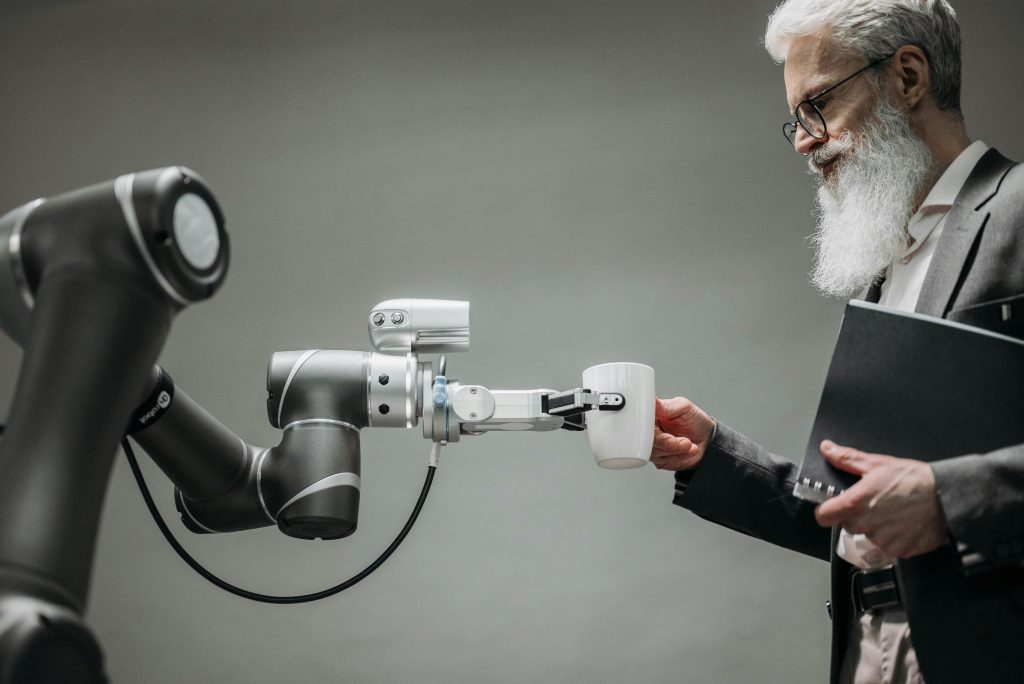
The main worry is that rogue actors and terrorist groups will try to bio-engineer dangerous diseases and epidemics that can be used against people throughout the world to achieve their objectives.

It is important to note, however, that AI, with its incredible processing speed and data analysis capabilities, continues to play a specialized role in accelerating the development of vaccines and other medical breakthroughs to prevent and cure diseases. But the same attributes that make these AI models so essential and beneficial to mankind can also pose potential dangers. “For a model to design a vaccine that is safe, it must first know what is harmful.” One leading scientist said.
Currently, AI is primarily an assistive tool in biological research, not an autonomous creator of deadly new lifeforms and pathogens. However, experts are concerned that as AI capabilities advance at a phenomenal rate, it could lower the barrier for malicious actors to create engineered pandemic-type bio-weapons, or for well-intentioned researchers to accidentally create a pathogen that spreads uncontrollably. In the peer-reviewed academic journal Science, a report published in 2024 said, “That while today’s AI models probably do not substantially contribute to biological risk, the paper’s authors write, future systems could help to engineer new pandemic-capable pathogens.
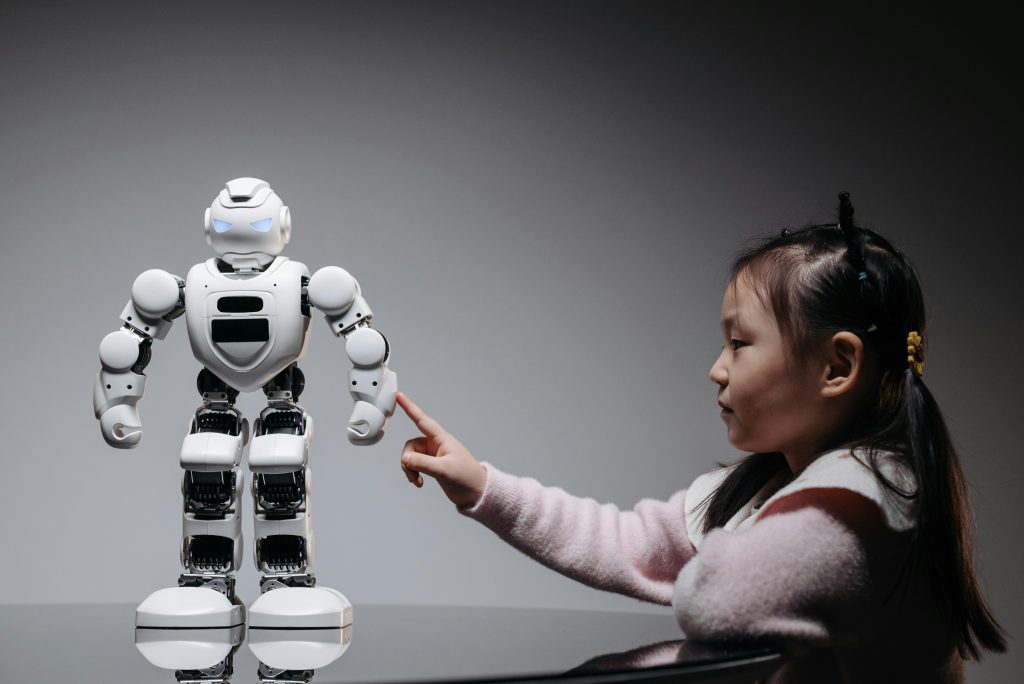
Many organisations, including the US government, are worried about this risk. Synthetic biology has placed the ability to recreate some of the deadliest infectious diseases known well within the grasp of the state-sponsored terrorist and the talented non-state actor, concluded a 2020 assessment by a group of life sciences researchers based at the US Military Academy at West Point.
“Rapid advances in dual-use technology, including bio-informatics, synthetic biology, and genomic editing, could enable development of novel biological weapons that complicate detection, attribution, and treatment,” warned US intelligence services in their 2022 annual threat assessment. The COVID-19 pandemic highlighted practical challenges in responding to pandemic infections, including the provision of personal protective equipment (PPE), social distancing, and other measures to ensure a sufficient supply of vaccine doses and the availability of key medications. Modelling the potential requirements of an Engineered Pandemic: the same or enhanced?
Solutions to combat Engineered Pandemics
There are already global bodies that address related issues. The Biological Weapons Convention, established in 1972, bans the creation of pathogens for military purposes. But it is not designed to police civilian Science, or the risk from non-state actors, like terrorists. The aim is to have international regulatory bodies closely cooperate to prevent the emergence of an engineered pandemic.
Solutions are being proposed, for example, by a new initiative at the University of Cambridge in England that seeks to address the urgent challenge of managing the risks posed by future engineered pandemics.
Professor Clare Bryant from the Department of Medicine at the University of Cambridge said: “There is a great opportunity to take a joined-up approach to managing the risks posed by Engineered Pandemics. We need to find governance frameworks that balance essential scientific progress with its potential misapplication.”
To this end, international Research and policy discussions are underway to develop governance frameworks and safety measures that balance scientific progress with risk management. These efforts include:
• Developing screening tools to detect signs of genetic engineering in pathogens.
• Establishing guidelines and regulations for the responsible use of AI in biological synthesis and research.
• Improving data transparency and multidisciplinary collaboration to ensure AI is integrated thoughtfully into public health infrastructure.
Dr Rob Doubleday, Executive Director of the Centre for Science and Policy at the University of Cambridge, said: “The common narrative is that there’s a wide range of potential actors out there who want to create engineered bio-weapons but don’t yet have the technical means. But in fact, there’s been very little work to really understand who these people might be, and their relationship to emerging technology. To explore these questions, we need a broad network including social scientists, biosecurity researchers, criminologists, experts in geopolitics and counterterrorism.”
Dr Bryant echoes the words of many people concerned about the ongoing threat of Engineered pandemics using AI. “Experts and agencies across the spectrum need to work together to develop a better understanding of who or what might drive such events and what their likely impact would be. And we need evidence-informed policies and networks in place that would help us respond to – or better still, prevent – such an eventuality.”
Sources: United Nations, World Health Organization, Tharin Pillay, Henry Booth, University of Cambridge, Dr Clare Bryant, Dr Rob Doubleday, Centers for Disease Control and Prevention, Health Canada, Sustensis UK, COVID-19 reports.