


We live in turbulent times marked by increasing uncertainty, doubt, distrust, and insecurity. The world is experiencing a multidimensional global crisis covering geopolitics, trade, economics, technology, and social and cultural issues, leading to rising unrest and protests worldwide.
By Veeno Dewan
We live in turbulent times characterized by rising levels of uncertainty, doubt, distrust, and insecurity. The world is in the midst of a multidimensional global crisis encompassing political, economic, technological, social, cultural, and environmental components. There is a polarization of societies, corrupt politics, social unrest, extremism, violence, war, and geopolitical instability.
In recent times, social upheaval and unrest have been fuelled by factors such as regional wars, the world financial crisis of 2008, the COVID-19 Pandemic, and the acceleration of global warming. Newer threats include large-scale inequality and unaffordability for the vast majority of the global population. More recently, nationalism, authoritarianism, and continuing wars, such as in Ukraine and tensions in the Middle East, are also contributing to global turmoil and unrest. The newest and most insidious threat to society is the recent technological advances in generative AI (GenAI) and the anticipation of artificial general intelligence (AGI) in the near future, which are expected to eliminate tens of millions of jobs and whole sectors of employment.
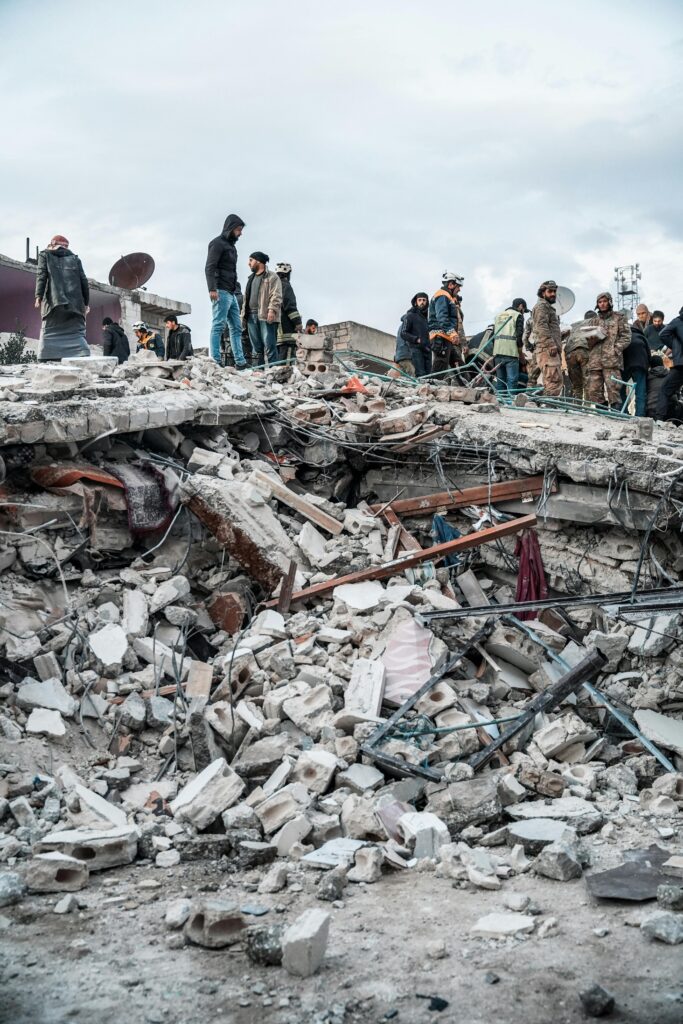
Poor political leadership leads to the suspension of cooperation and a rising issue of unemployment and job insecurity caused by globalization and technological innovation. This results in economic and social disruption, eventually causing civil wars, terrorism, and mass migration, which further fuel unrest worldwide.
Added to this, with the advent of liberalization, we see the awakening of a new consciousness among younger people, particularly among Generation Z and the Millennials, who are now witnessing a world crisis characterized by the weakening of democratic institutions, the rise of extreme nationalism, and growing authoritarianism. Coupled with this, we see a declining effectiveness of politicians, multilateral institutions, and a loss of confidence in politicians, the media, business, technology, science, and other institutions.
The sense of shared vision and universal values that provided a platform for international collaboration and global leadership after World War 2 is now being challenged by a retreat to self-interest and self-preservation that is fracturing domestic priorities and international relationships and spurring a desperate race for new alliances and economic and military blocs. We only need to witness the aggressiveness of the current United States Government leadership regarding territorial and annexation threats and the upending of long-established treaties and international co-operation.
Key Reasons for Global Unrest

Weak Political Leadership
More than half of the global population has little or no trust in their government, and 59% believe their countries share fewer common values. We now see global politics shaped, outmaneuvered, and held hostage to the plutocratic power of money, corporations, financial markets, and other forces. Continual weak governments and poor oversight of money and market economics lead to systemic imbalances and social inequality. The decline in the quality of international relations, due to increasing complexity and a departure from traditional theories of diplomacy and governance, is now evident. The world political stage is increasingly dominated by autocratic and authoritarian leaders who use nationalism, anti-immigration sentiments, and territorial ambitions as key strategies.
Technology
AI (Artificial Intelligence) is the next revolution in human history and promises many benefits – but in the pursuit of financial profit, there are serious concerns about the deep, disruptive social and economic impacts of technologies such as automation, AI, robotics, and broader technological acceleration. Inadequate regulation and safeguards by governments to prevent the weaponization of technology (AI, social media, espionage, and election manipulation) are leading to social unrest as populations worry about their future as jobs disappear.
Immigration and Refugees – The backlash
Increased migration driven by a combination of local and regional conflicts, poor economic opportunities, and environmental changes such as Global warming has seen the global refugee population increase dramatically, from 14 million in 2000 to 27 million in 2020. As many flee war, famine, and political chaos and search for security and economic salvation, previously tolerant countries in the developed world now have populations protesting about refugees and migration numbers. Meanwhile, political parties, often right-wing, support anti-immigration policies to capitalize on this unrest and resentment.
Unemployment
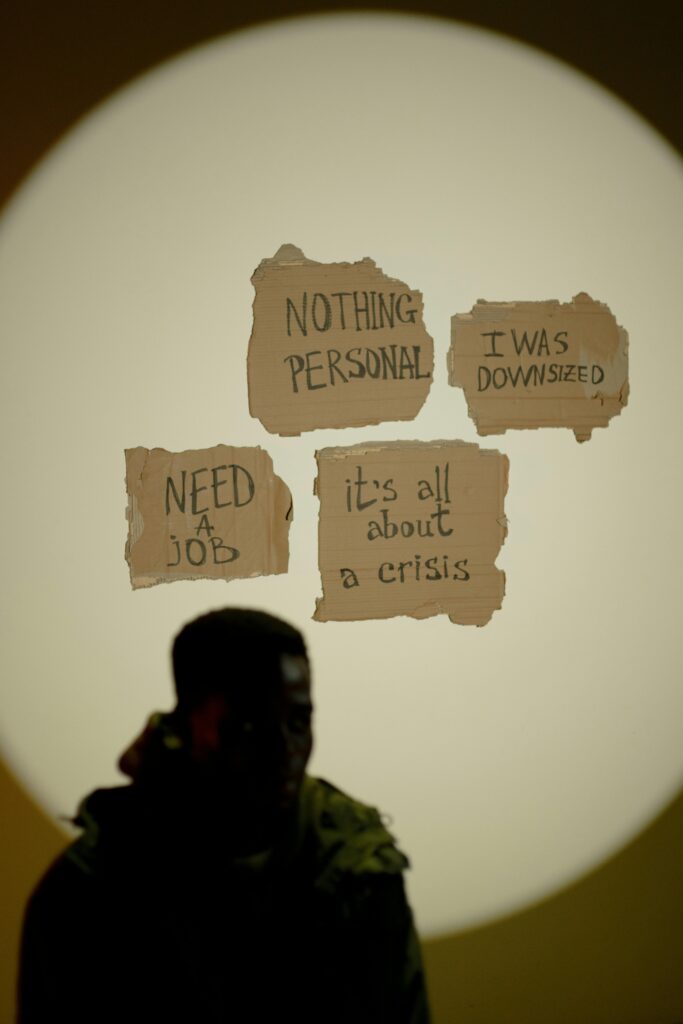
Job insecurity and unemployment are among the most widespread sources of unrest, social discontent, political instability, societal polarization, and extremist politics. In recent decades, employment security has been undermined by the rising power of corporations and the declining power of unions. Add the globalization of markets, uncontrolled immigration of low-wage workers, and rapid technological innovations that replace workers with robots, and we see unemployment set to rise in the future.
Environmental Crisis and Climate Change
Climate change is a major “threat multiplier” that causes displacement, resource scarcity (food/water), and economic disruption. It induces, for example, 20 million+ people to leave their homes annually due to extreme weather, droughts, and floods. Conflict and climate change have triggered widespread food insecurity, with over 100 million people facing acute hunger, adding to popular unrest.
Economic Inequality and the Wealth Gap
Globally, a staggering wealth gap has emerged—where the top 1% of the world’s population controls the vast majority of wealth—fueling resentment, social division, and unrest. The “cost-of-living” crisis, with rising inflation and food and fuel prices, has sparked protests worldwide. Even economically advanced countries are experiencing a hollowing out of the middle class due to a dramatic increase in the share of national income and wealth going to a small minority of the very wealthy.
Geopolitical Conflict and Shifts
The erosion of multilateralism, rising nationalism, and conflicts (e.g., Russia-Ukraine) destroy supply chains and create refugee crises that put strain on other countries’ economies and resources. Significant concerns include US military actions in Iran and Venezuela, tensions in the South China Sea over China’s ambitions for the return of Taiwan. There is growing tension in Africa and South Asia, also adding to the climate of unrest.
What is to be done – Political leadership is the key
What is needed is a better class of leaders for the future, the curtailing of corporations, power, and influence, and improved oversight, legislation, and regulations to protect working people without hampering economic growth by the private sector. Sadly, unlike the optimism and cooperation after World War II, the current geopolitical climate is increasingly unable to sustain that tradition, which led to rapid social and economic growth in the first fifty years after 1945. A much-needed political reset may be the answer—however, this will not be an easy task, and it may take decades.
Sources – United Nations, Council on Foreign Relations, World Economic Forum, International Crisis Group, ACLED’s Conflict Watchlist, World Academy, IntelliNews, Global World Report.