

By Veeno Dewan
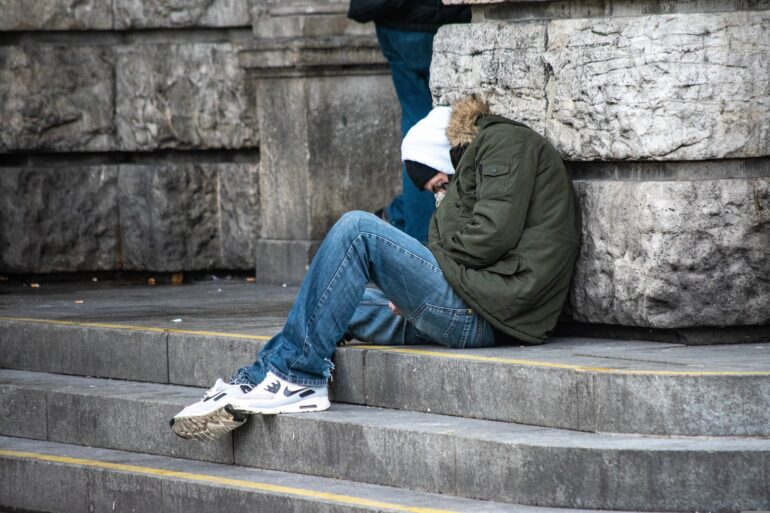
Homelessness is a problem that most people would not associate with Canada, a prosperous, well-developed nation. Yet it is becoming an increasingly discussed and concerning issue. The estimated number of homeless people in Canada ranges from 150,000 to 300,000, and the figure has been rising. This is a surprising reality, as Canada features extreme wealth for top earners. However, current data reveal: the rich get richer, while at the other end of the spectrum, working families, and increasingly middle-class families, struggle to pay for housing, food, and energy bills.
Homelessness in Canada
According to the 2024 national Point-in-Time Count (Everyone Counts) Study, on a given night at least nearly 60,000 people were experiencing homelessness in Canada, and if counted from additional communities, the total exceeds 67,000 people experiencing homelessness on a single night. Estimates from The National Shelter Study 2024 reveal that 119,574 people experienced homelessness in an emergency shelter in Canada in 2024, compared with 118,329 in 2023.

How is homelessness defined?
According to Statistics Canada, homelessness is assessed through several sub-indicators. Homelessness describes the situation of an individual or family without stable, safe, or permanent housing, or the immediate prospect, means, or ability to acquire it. Homelessness includes the following living situations: living in places not intended for human habitation, living in emergency shelters, and the “Hidden homeless,” defined as individuals or families who are staying temporarily in dwellings (other than shelters) without guaranteed residency and have nowhere else to live, other than with friends or family.

What are the reasons for homelessness?
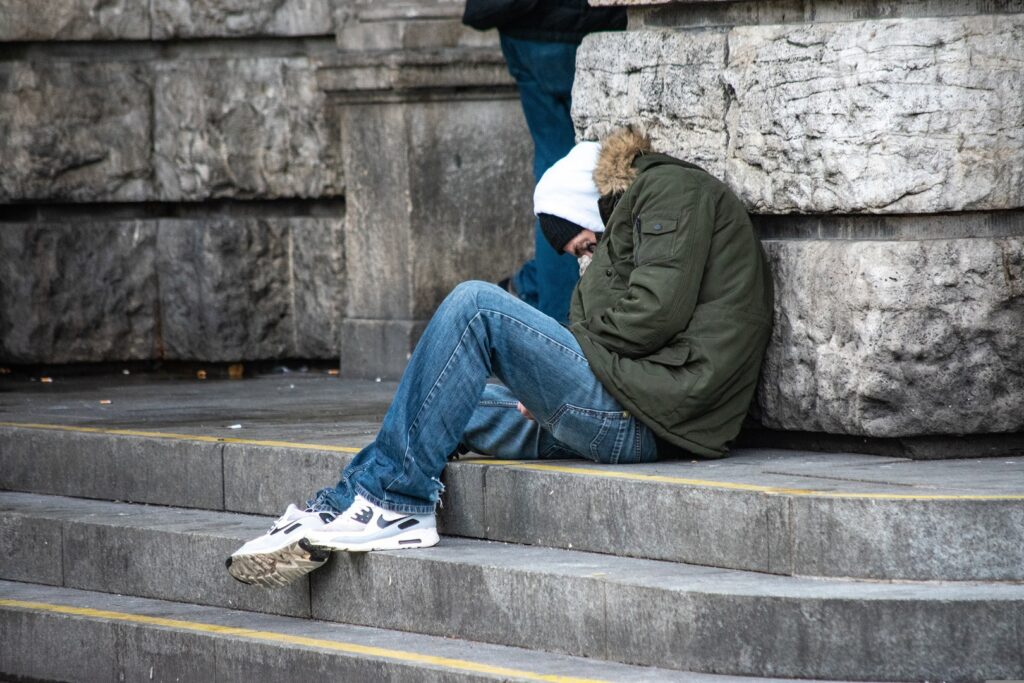
As with many social problems, homelessness is driven by multilayered, interconnected factors. Relationship issues, marital breakdowns, rising living costs, high housing prices, and inflation push many people out of their homes, while financial trouble remains the leading cause of losing a place to live. Downtown areas in many cities show high rates of unhoused people, mental health struggles, and addiction. This lack of stable housing can result in disparities among groups, with some more or less likely to have faced homelessness than others.
According to Statistics Canada, Indigenous households (29.5%) were almost three times as likely to have experienced some form of homelessness as the total population, while racialized (9.5%) and immigrant (8.3%) households were below the national average. Similarly, recent point-in-time counts of homeless shelters nationwide have found that 35% of respondents identify as Indigenous.

The most commonly reported reason for homelessness was financial issues (41.8%). Relationship issues (36.9%) were the second leading factor driving Canadians into homelessness. A related driver was fleeing abuse (13.3%)—a common pathway into homelessness for many, but four times more likely for women than for men (20.9% vs. 5.2%). Health issues can also disrupt housing stability. Canadians who have experienced any form of homelessness were more likely to report fair or poor mental health (38.0% vs. 17.3%) than the overall population. More respondents listed health issues as a major factor contributing to absolute homelessness (16.5%) than to hidden homelessness (8.9%).
Homelessness is estimated to cost the Canadian economy about $7.05 billion per year. This includes the costs of emergency shelters and community support, as well as the increased costs of healthcare, the criminal justice system, and emergency services.
Demographics of Homeless People in Canada
People aged 25 to 49 were most likely to use shelters in Canada, with 60.3% of people experiencing homelessness coming from this age group. Fewer than 3.3% of homeless people in Canada are 65 years or older. 72.2% of people using shelters are male, and men aged 25 to 55 account for 47.5% of all Canadians experiencing homelessness. Women account for 31.10% of people experiencing homelessness and face an increased risk of being hidden homeless.
While most people seeking shelter are adults, the number of children living in shelters is growing. In 2020, approximately 4,000 children were staying in shelters. People who are homeless are more likely to have mental health issues than the general population. Between 7% and 24% of homeless people in Canada have a mental illness, and 21% to 59% have a mental illness and substance abuse issues.

The exact number of the “Hidden Homeless” in Canada is impossible to know. However, according to a Homeless Hub Study, there may be around 50,000 hidden homeless in Canada on any given night. These are people who have no immediate prospects of finding permanent housing and are staying with relatives or friends. There is rarely just one reason someone becomes homeless, but the root cause is often poverty.
Tackling Homelessness
With the number of people living without a permanent home increasing in Canada, what is being done to help homeless people and tackle the root causes of homelessness? Canada’s government has made emergency shelters available for homeless people. These shelters are open 24 hours a day, and while they are not addressing the cause of homelessness nor reducing the number of homeless people, at least they provide homeless people somewhere warm and safe to stay.
In 2024, there were 587 emergency shelters in Canada, with a total of 22,379 shelter beds. Approximately 88.4% of these beds are filled nightly, an increase compared to previous years as shelter use continues to rise. The Government of Canada launched the country’s Homelessness Strategy to support the National Housing Strategy. The strategy aims to reduce chronic homelessness in Canada by half by 2027-28 by providing affordable, stable, and safe housing. As part of this strategy, the Government is investing $4 billion over ten years to expand federal funding for the homeless. The root causes of homelessness need to be addressed by the government. The government also has to develop permanent solutions to prevent people from becoming homeless.
Sources: Statistics Canada, Government of Canada, National Homelessness Partnering Strategy, Vancouver Point in Time Survey 2025, National Shelter Study 2024. Canadian Social Survey – Well-being, Unpaid Work and Family Time, Homeless Hub Survey 2024.