

By Friends For Cause Foundation
How Vancouver-Based Friends For Cause Foundation Is Turning Hope Into Sight
Many charities begin with ambitious campaigns and major funding. Friends For Cause Foundation (FFCF) began differently—with a family, a tragedy, a promise and the determination to turn someone else’s darkness into light.
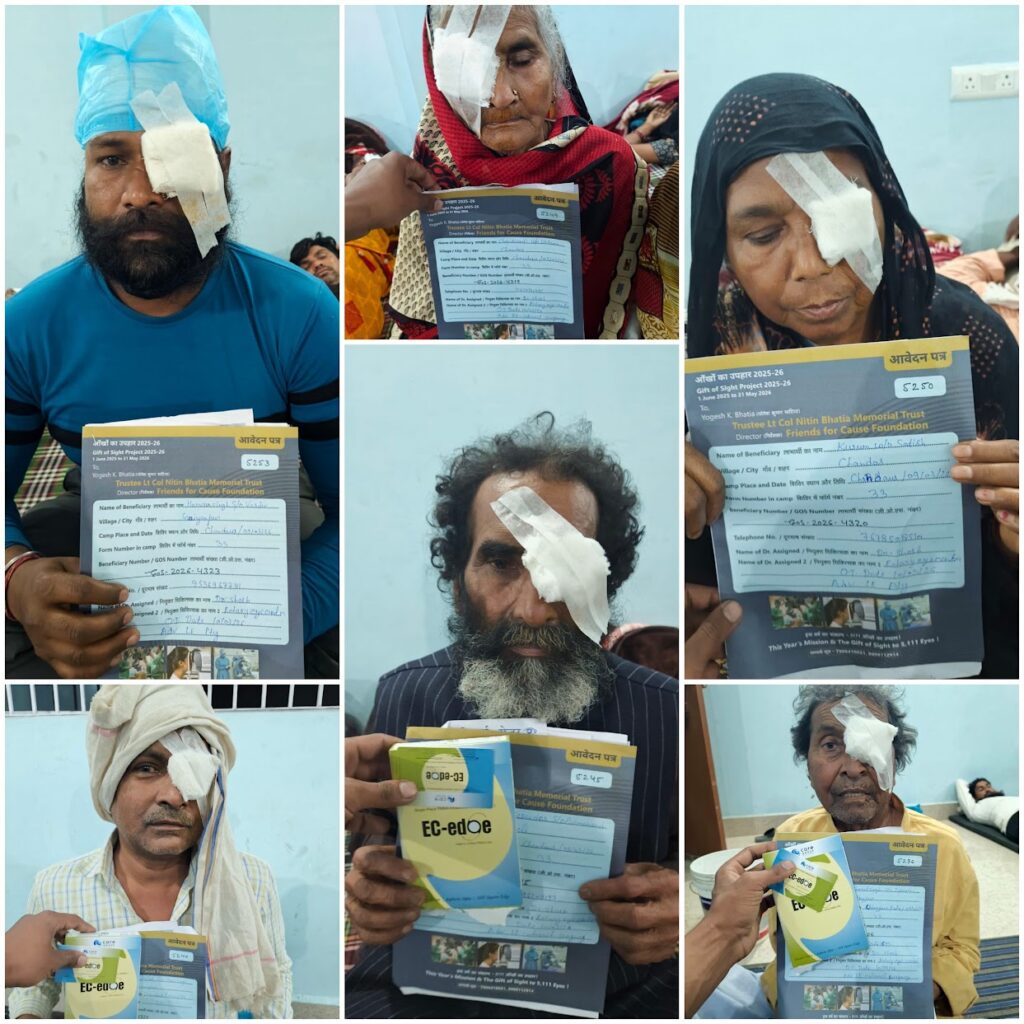
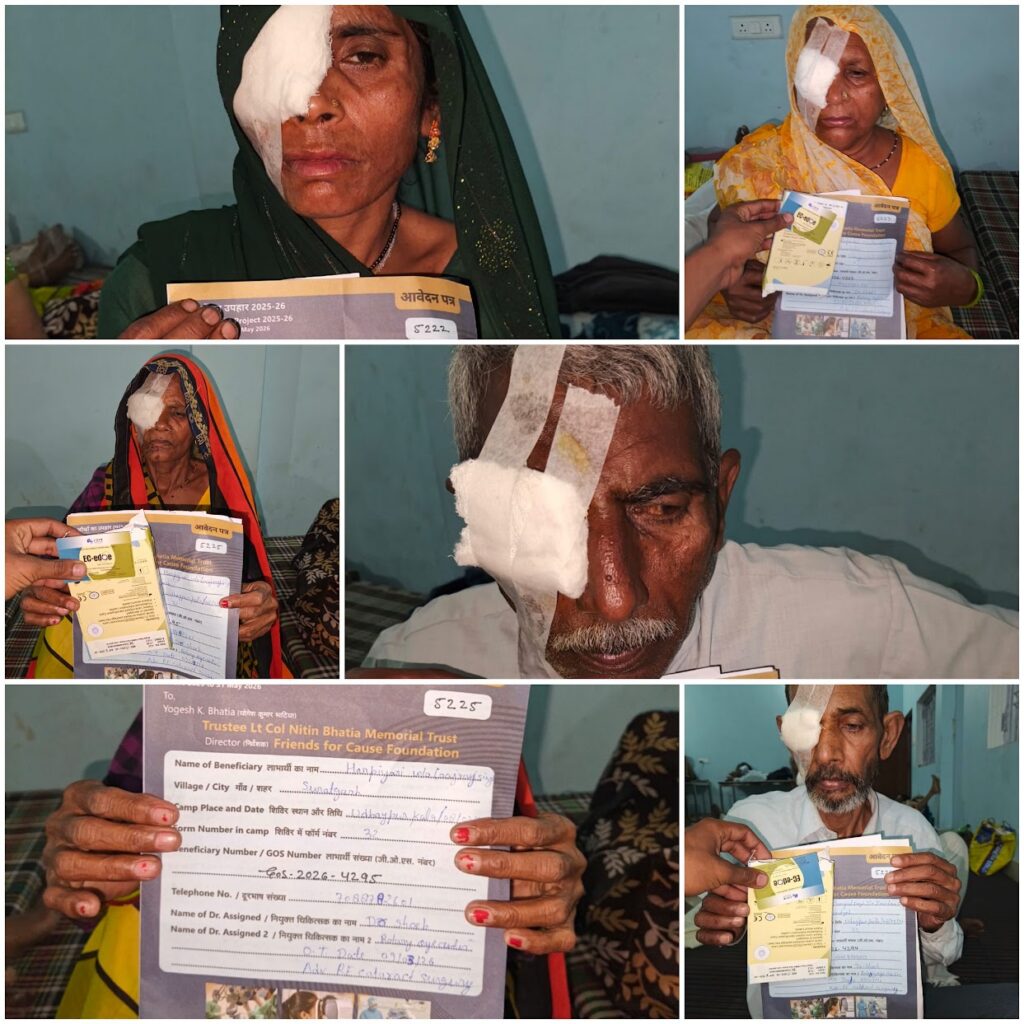
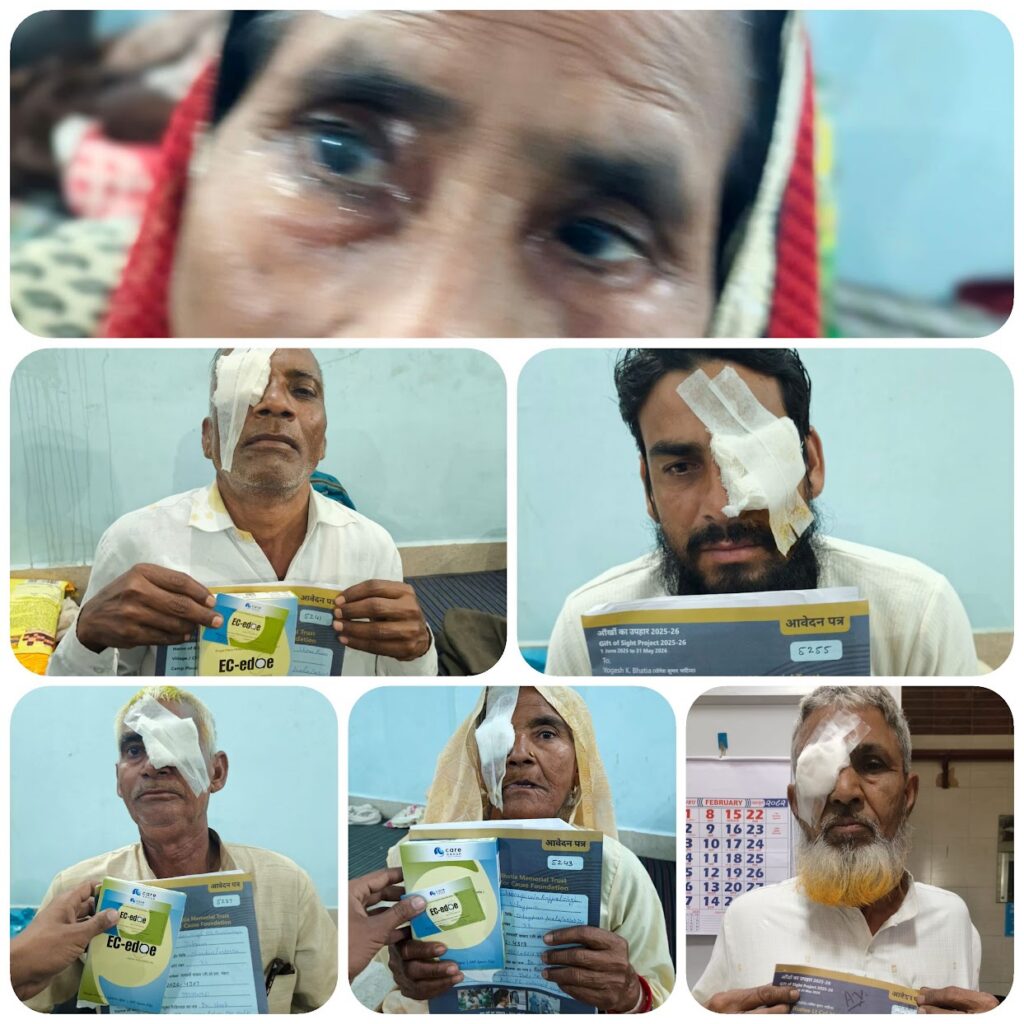
What started in 2011 with support for 25 cataract surgeries has grown into a cross-border humanitarian movement connecting the Indian diaspora in Canada and the United States with underserved communities across India. FFCF has now helped restore sight through more than 17,500 surgeries, distributed over 75,000 eyeglasses, organized hundreds of outreach camps and screened more than 300,000 people.
With charitable registration from the Canada Revenue Agency and the ability to issue official Canadian tax receipts, FFCF has entered a defining new chapter. Founder Yogesh Kumar Bhatia believes the years ahead can be transformational. His dream is bold: a cataract-free India.
A Mission Born From Loss
The mission was born from the loss of Lt. Col. Nitin Bhatia, who died while serving his country in an Army Aviation helicopter crash in Sikkim in April 2011.
Guided by the vision of his mother, the late Sudershan Kumari Bhatia, the family began funding cataract surgeries for elderly and underprivileged people who could not afford treatment. What began as an act of remembrance gradually became a lifelong mission.
Nitin’s brother, Yogesh Kumar Bhatia, assumed personal responsibility for carrying the work forward. He travelled across India, working with doctors, hospitals, village leaders, community organizations and volunteers to identify people living with avoidable blindness and connect them with treatment.
Across rural India, he found elderly men and women living in darkness—not because their conditions were untreatable, but because poverty, distance, poor health, limited mobility and lack of family support kept care beyond their reach.
The work continued and expanded—from Uttar Pradesh to Punjab, and now into Jammu and Kashmir.
The Power of Ordinary People
FFCF was built largely through ordinary families and community members, particularly in Vancouver and Houston. Friends donated, relatives in India, Canada and the United States contributed, volunteers gave their time, business owners supported fundraising dinners and professionals offered their expertise. Yogesh Bhatia’s engineering classmates from the AMU 1991 batch also joined the effort.
Supporters could see the results in real stories: a grandmother seeing her grandchildren again, a farmer returning to work, a widow regaining independence and a family no longer struggling to care for an elder who had lost sight. Every successful surgery can transform an entire household.
The Team Behind The Mission
Every successful movement depends on people willing to serve quietly, often without recognition. FFCF has brought together Directors, Honorary Directors, donors and volunteers united by service rather than personal gain.
The wider leadership and support team includes Amit Sipani, Mani Arora, Tanmoy Chakravarty, Ankima, Prashant Jain, Rachna Arora, Sapali Jain, Nav Khela, Shubha Chaudhury, Priyanka, Anil Kumar, Naveen Varshney, Usha Varshney, Bindu Chakravarty, Nidhi, Lalit Wasdev, Hem Prabha, Sapna Bhatia and Tanmai Bhatia. Each has contributed in a distinct way toward strengthening the organization and extending its reach.
Amit Sipani is among the Foundation’s most generous donors and steadfast supporters. Naveen Varshney has been instrumental in pursuing the ambitious goal of making his ancestral village of Kazimabad, along with nearly 100 neighbouring villages, cataract-free.
Mani Arora says that witnessing FFCF’s Punjab eye camps changed his life. The experience inspired him to become a regular donor and committed Director. Anil Kumar is another dedicated donor and ground volunteer who has personally served at numerous outreach camps.
Prashant Jain, a Director of FFCF, and donor Atika Ummat have helped build a remarkable bridge between Houston and India. Their young children established Giving Wings, a registered 501(c)(3) nonprofit in the United States, to support FFCF initiatives in India. Young founders Vansh and Neil Jain demonstrate that compassion and leadership have no minimum age.
Emin Jassel is an extraordinary volunteer and fundraiser. While living with significant physical challenges and using a wheelchair, Emin continues to raise funds and support the mission—demonstrating that the desire to serve can overcome formidable barriers.
Community organizations have also strengthened the cause, including BKSP, Friends of India, Jain, Bengali and Bihari groups, the Shree Khatu Shyam community and Lakshmi Narayan Temple.
Women Leading With Compassion
Women are central to the Foundation’s leadership, organization and continuity. Serving across Director, Honorary Director, campaign, donor and volunteer roles are Ankima Jain, Rachna Arora, Sapali Jain, Shubha Chaudhury, Priyanka Sipani, Gyatri Arora, Usha Varshney, Bindu Chakravarty, Nidhi Bhatia, Hem Prabha, Sapna Bhatia, Tanmai Bhatia and Houston supporter Atika Ummat.
Ankima Jain is described within the organization as a quiet force behind FFCF’s digital transformation. Drawing upon more than 16 years of project-management experience, she has helped bring greater structure and forward planning to a mission that has grown almost entirely through volunteers.
Honorary Director Rachna Arora is one of FFCF’s strongest community and on-ground supporters. Alongside Mani Arora and her family, she has helped organize the Dera Baba Nanak and Punjab eye-surgery camps, supported annual dinner planning and connected the Foundation with new supporters. Her involvement reflects her belief that donors should be able to see the work personally—not merely hear about it through statistics.
Director Sapali Jain has supported FFCF with quiet strength, faith and a people-first outlook. As one of the Foundation’s early supporters and public voices, she has helped explain why the Gift of Sight mission matters and why community members should take personal ownership of it.
Honorary Director Shubha Chaudhury has helped champion the cause through her professional and community networks. Her support reinforces a message heard repeatedly across the team: one introduction, one donor or one shared story can ultimately restore someone’s sight.
Honorary Director Priyanka Sipani has been a long-time friend of the Foundation and a driving force within the Sipani family’s exceptional commitment to social causes. Together with Amit Sipani, she represents the kind of sustained family support that allows FFCF to plan beyond a single camp or fundraising event.
Gyatri Arora, Usha Varshney and Hem Prabha reflect the indispensable role of families and community supporters who keep the mission moving through encouragement, participation and service. Their presence reminds the organization that humanitarian work is rarely sustained by one individual; it grows because families decide to stand behind it together.
Nidhi Bhatia, an early-childhood educator, brings the same qualities associated with her profession—patience, care, structure and respect for every person. Her involvement reflects the belief that compassion must be expressed not only through words, but through consistent and responsible action.
Honorary Director Sapna Bhatia has supported the Foundation’s zero-overhead philosophy and the family commitment behind the mission. Her contribution represents years of largely unseen work, sacrifice and encouragement that helped the initiative grow from 25 surgeries into an international charitable effort.
Honorary Director Bindu Chakravarty, a leukemia survivor who underwent treatment at MD Anderson Cancer Center, has transformed her own difficult journey into a source of resilience and hope. Her involvement carries a powerful message: after receiving another chance at life, one can help create another chance for someone else.
Campaign Manager Tanmai Bhatia represents the next generation of FFCF leadership. She has hosted annual fundraising dinners, participated in newspaper, television and radio campaigns, and supported administration, communications, fundraising and compliance alongside her father. Her work helps translate the family’s on-ground mission into a story that Canadian donors, volunteers and younger supporters can understand and join.
In Houston, Atika Ummat and Prashant Jain have encouraged their children, Vansh and Neil Jain, to turn compassion into leadership through Giving Wings, a registered 501(c)(3) nonprofit supporting FFCF initiatives in India. Their family demonstrates how parents can pass the value of service to a new generation.
Together, these women express the mission in different ways, but their message is united: no patient should be forgotten because she is poor, elderly, widowed, isolated or unable to navigate the healthcare system alone. They have repeatedly encouraged supporters to visit, ask questions, examine the work and witness its impact for themselves.
Transparency As A Core Value
FFCF has earned community trust through its commitment to transparency and accountability. The organization operates with very low administrative expenses and works to direct donated funds toward programs and beneficiaries.
Rachna Arora emphasizes that collecting project data, beneficiary information, surgery records and operational reports is only the first step. Verifying, organizing and presenting thousands of records requires substantial time, technology and human resources—particularly for an organization run largely by volunteers.
Beginning this year, FFCF intends to organize more of this data and gradually make additional information available online for public review. Meanwhile, thousands of photographs and updates on the social-media accounts of Yogesh Bhatia and Friends For Cause Foundation provide a visible record of camps, beneficiaries and continuing work on the ground.
For years, accounting professional Ankur Merwaha has provided guidance to help maintain accurate, accountable and CRA-ready financial records. The Foundation views transparency not merely as a compliance requirement, but as the basis of donor trust.
A Three -Month Journey Worth Following
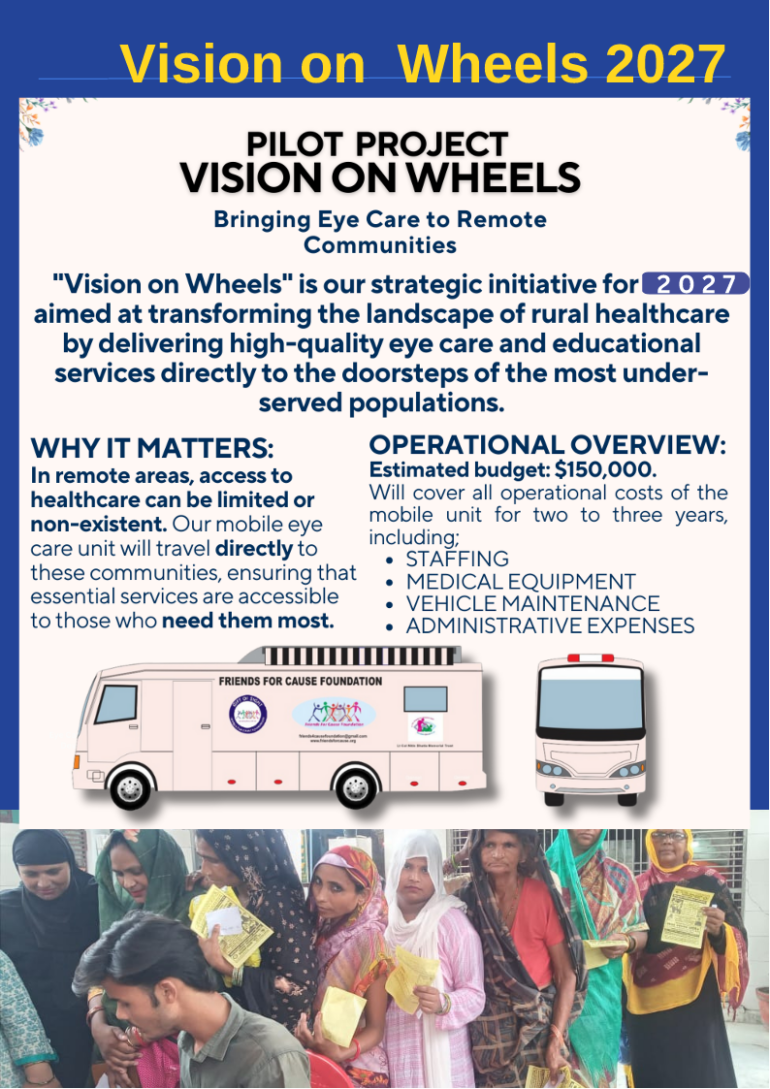
This year, Yogesh Bhatia will once again take the mission directly to the communities it serves. Shortly after reaching India, he will begin a three-month ground journey on November 1 in the Barsana region.
The tour will take him through villages and underserved communities, where he will participate in outreach camps, meet patients and families, coordinate with volunteers, hospitals and local partners, and follow difficult cases that are often excluded from conventional, number-driven camps.
It is a journey worth watching on his social-media accounts. Photographs and videos will show how patients are identified, how camps operate, how complicated cases are followed and what it truly takes to bring care to people who may have been turned away elsewhere.
Followers will witness more than statistics: the travel, challenges, volunteers, patients and the moment when someone who had been living in darkness can see again. Come and see the work for yourself.
Why CRA Registration Changes Everything
For years, FFCF accomplished substantial work without being able to offer Canadian charitable tax receipts. This made it difficult for some corporations, foundations, institutions and larger donors to participate.
CRA registration changes that landscape. Canadian donors can now receive official charitable tax receipts when supporting eligible Gift of Sight initiatives. Registered status may also open doors to corporate-giving programs, foundations and institutional partnerships that require formal charitable recognition.
For FFCF, this creates an opportunity to scale its impact while maintaining the grassroots accountability upon which it was built.
The Dream: A Cataract-Free India
For Yogesh Bhatia, cataract surgery is more than a medical procedure. It is a pathway out of dependency and poverty, restoring dignity, mobility and opportunity.
His long-term vision is to establish a network of charitable hospitals and eye-care partnerships across northern India—from Jammu through Punjab, Haryana, Uttar Pradesh and Bihar—with special attention to regions where preventable blindness remains widespread.
Instead of relying only on isolated mega-facilities, the model would connect charitable hospitals, eye-care centres, mobile outreach teams, community-screening initiatives and local volunteers. Combined with technology, transparent reporting and strong medical partnerships, this approach could identify patients earlier and dramatically expand access to care.
Yogesh believes social media and community crowdfunding can allow ordinary people to participate directly in building this vision.
Beyond Sight: The Gift of Skill
Restoring vision is only part of the story. FFCF’s proposed Gift of Skill initiative aims to create development centres for rural youth and help them acquire practical, employable skills.
Yogesh Bhatia believes that vision without opportunity is only half a solution. His message to the Indian diaspora is straightforward: many who built successful lives abroad benefited from affordable, high-quality education in India before finding opportunities in countries such as Canada. Giving back is therefore not simply charity—it is gratitude.
Through skills training, mentorship, education and employment-focused support, the Foundation hopes to help the next generation not merely survive, but thrive.
A Movement Whose Time Has Come
The most powerful charitable movements do not always begin with money. They begin with conviction.
Friends For Cause Foundation began with one family determined to honour a loved one’s memory. It became a community effort, then a cross-border humanitarian movement and perhaps now the foundation for something much larger.
From the first 25 surgeries to more than 17, 500. From one camp to hundreds. From one family to thousands of supporters. Its journey demonstrates what becomes possible when compassion is matched by commitment.
A cataract-free India may seem like an enormous dream, but restoring sight to thousands once seemed equally distant. Today, thousands can see because a determined group refused to accept that poverty should condemn someone to darkness.
The next chapter is only beginning.
To follow Yogesh Bhatia’s three-month ground journey or support Friends For Cause Foundation, connect through the Foundation’s social-media channels or contact:
Email: friends4causefoundation@gmail.com
Phone: +1 604-366-6942
Website: www.friendsforcause.org