

J.M. LEE
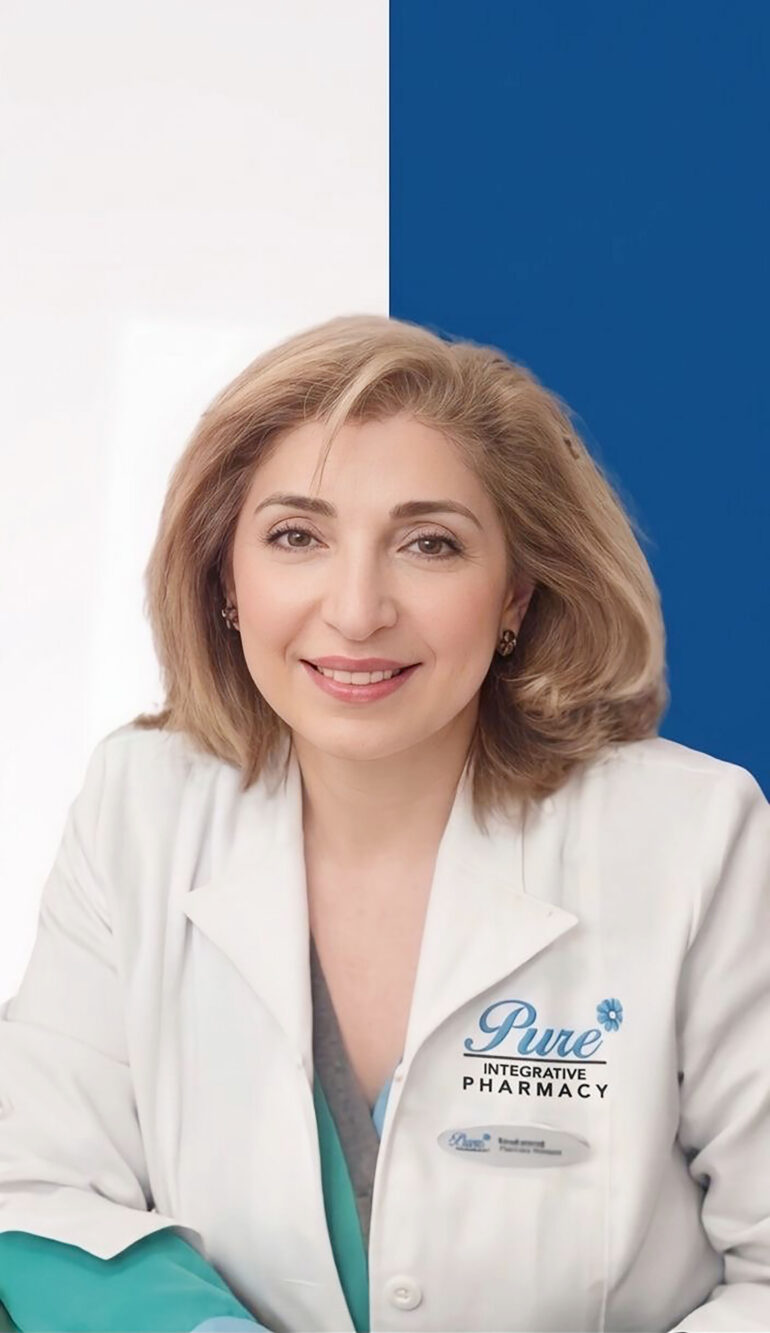
Dr. Mahshid Poursartip became a mother while writing her pharmacy board exams and working as a part-time pharmacy technician. Her professional path has been defined by a deep curiosity about how things work—especially at the intersection of chemistry and the human body. “I’ve always been driven to translate complex science into tangible help for others. Reaching a leadership position wasn’t a straight line; it meant leaning into specialized knowledge and advocating for individualized care. By focusing on often-overlooked nuances of health, especially in women’s health, I found my voice. I’ve reached this point by staying committed to lifelong learning and ensuring that every decision I make is rooted in clinical integrity and empathy for others, especially women.”
For Dr. Mahshid, empowerment is the shift from having a seat at the table to having a voice that carries weight. “It is about autonomy, equipping women with the tools and information they need to make informed decisions about their bodies and futures.”
The greatest lessons she had learned are that collaboration beats competition and that long-term performance and long-term values aren’t opposites, but partners. “When we share our expertise rather than guard it, we build collective intelligence that elevates everyone in the room. I believe in ‘quiet authority’ and a centered presence. I don’t speak to impress or demand attention. I speak to clarify and make things work. Knowing that many in the room may know far more than I do has always been central to my empowerment.”
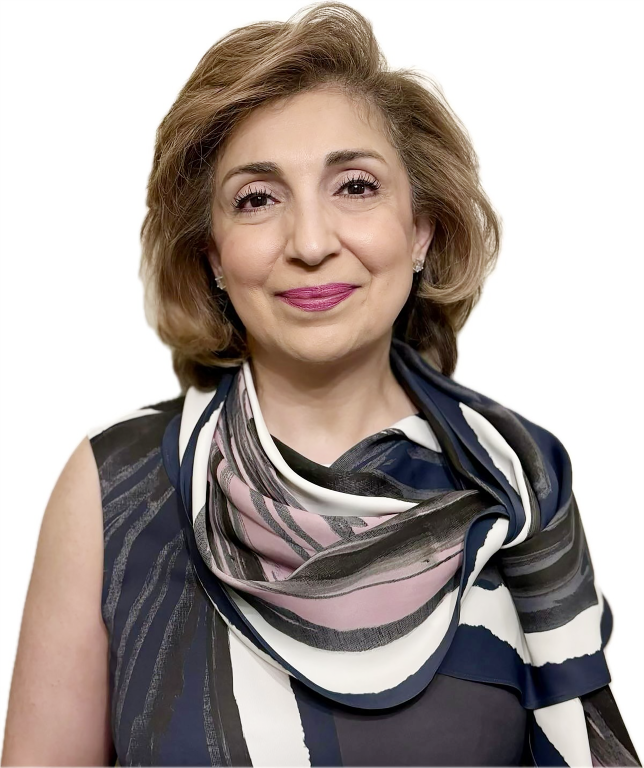
She believes, “Confidence didn’t come from knowing all the answers, but from realizing I am capable of finding them. Knowing that many in the room may know far more than I do has always been central to my sense of empowerment. The most successful leaders surround themselves with capable, knowledgeable people.”
What builds her confidence is being a ‘lifetime student’ who constantly updates her knowledge. “I like to lead through mentorship and clarity. I believe in ‘teaching the why.’ Whether I’m working with students or colleagues, I want them to understand the mechanism behind the action. I lead by being approachable yet decisive, ensuring everyone feels supported and comfortable asking the difficult questions that lead to solutions.”
In healthcare and leadership, DEI is not a buzzword but a clinical and moral necessity. “True inclusion means recognizing that a ‘one size fits all’ approach fails the most vulnerable among us,” she confirms. “We must actively dismantle the biases baked into our systems by historical data. Diversity of thought and background ensures that we aren’t just solving problems for a few but are providing equitable outcomes for all. As an immigrant and a woman, I have learned that cultural differences CAN become a form of cultural fluency, an empowering tool. Success is the alignment of passion and purpose. It isn’t found in a title but in the moments when one’s work directly improves someone’s quality of life. If I can help one person better understand their health or inspire one trainee to see their role as a calling rather than a job, that is a successful day.”
Dr. Mahshid declares: “Don’t be afraid of ‘imperfection.’ Remember, you don’t have to do it alone. Seek mentors, and be a sister to your peers, regardless of gender. We rise much faster when we lift each other up. Most importantly, trust your intuition. If you see a system that feels outdated or a gap where care and empathy are missing, you are likely the exact person meant to bridge it. Don’t just wait for a seat at the table—build a bigger table so more voices can join you. You are the architect of your own well-being, your family’s well-being, and your workplace’s success.”
She is a ‘lifetime student,’ constantly updating her knowledge, which builds confidence. “I like to lead through mentorship and clarity, ‘teaching the why.’ Whether I’m working with students or colleagues, I want them to understand the mechanism behind the action. This approach fosters deeper understanding, encourages critical thinking, and empowers others to make informed decisions. By emphasizing the ‘why,’ I aim to inspire curiosity and long-term learning rather than rote memorization. It builds trust and ensures that those I mentor can apply their knowledge independently in various contexts. I lead by being approachable yet decisive, ensuring everyone feels supported and comfortable asking the difficult questions that lead to solutions.”
Dr. Mahshid enjoys reading. She recommends Rumi’s Masnavi (poems) and the podcast Making Sense (Sam Harris). She is also a fan of the Buddha. She describes herself as a lifelong learner, caring, and committed.