
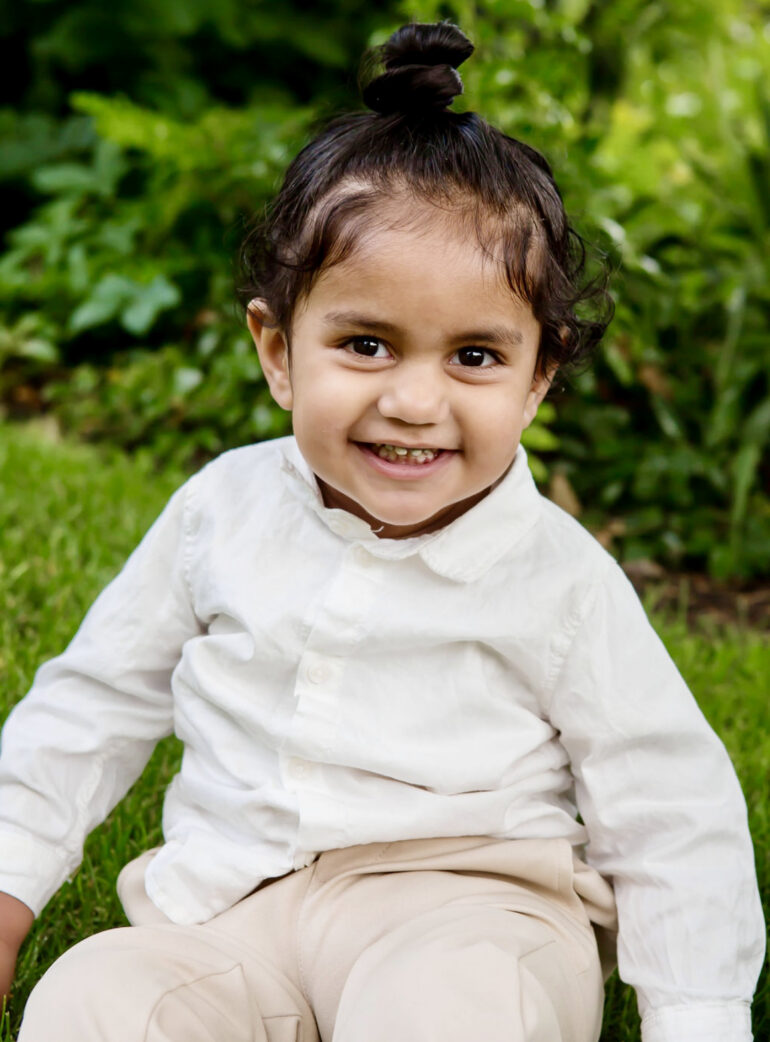
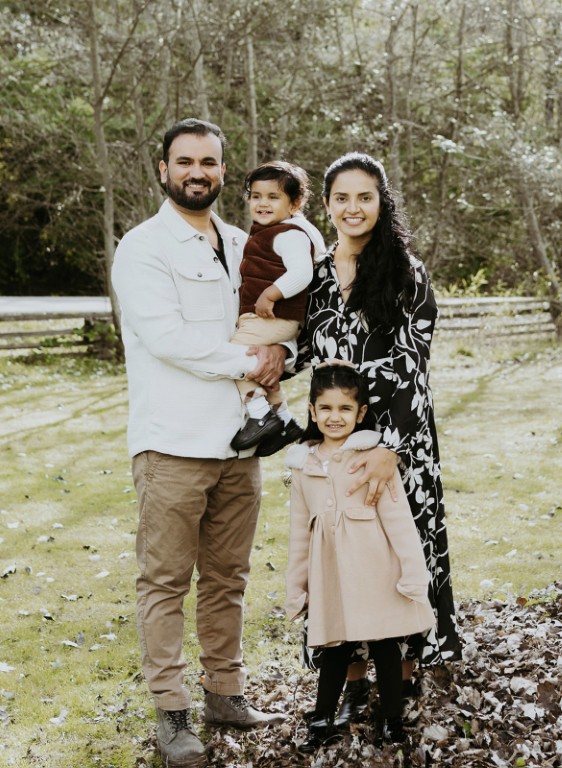
When Navpreet and Stalin Gill learned that their three-year-old son, Gurmoh had been diagnosed with a rare and progressive neurological disorder, their world changed forever.
Gurmoh has Hereditary Spastic Paraplegia Type 4 (SPG4) caused by the SPAST p.Arg499His (R499H) mutation, a devastating genetic condition that gradually weakens the nervous system. Although he currently attends preschool and enjoys life like any other child, he has begun experiencing difficulty walking. Without treatment, the disease could eventually rob him of his ability to walk, speak, eat and, ultimately, affect his cognition.
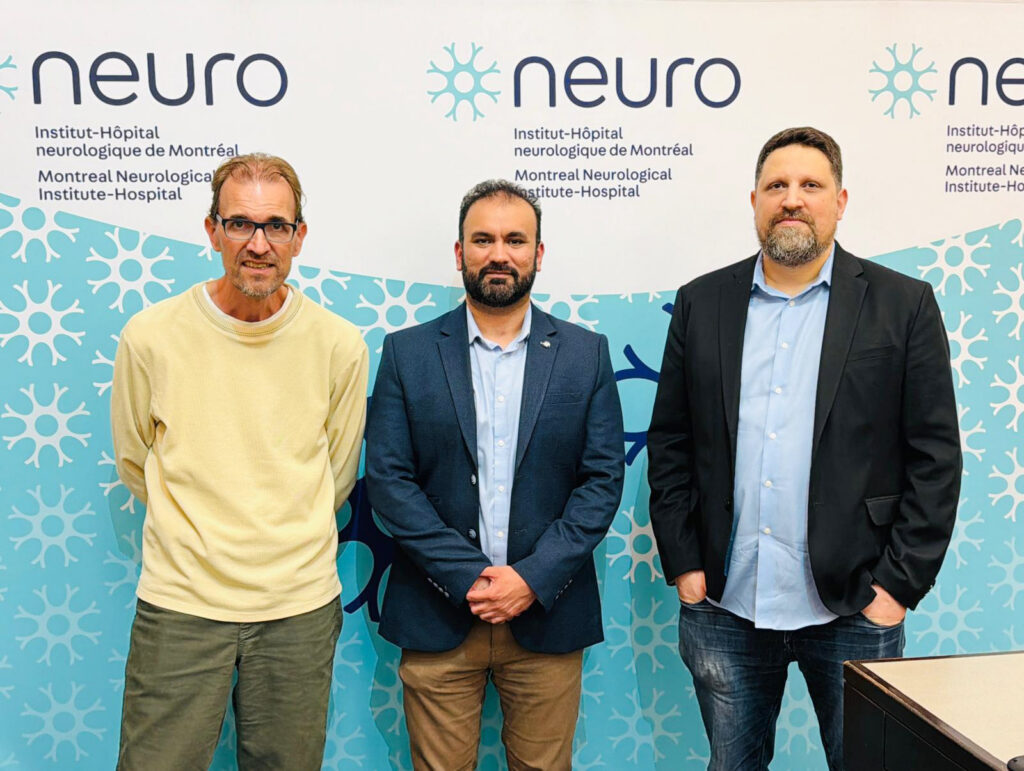
Doctors delivered heartbreaking news to the family: there was no approved treatment. Determined to find hope, Navpreet Gill reached out to researchers across the globe, sending more than 1,500 emails to scientists, physicians and universities working in the field of rare neurological diseases. One email reached Dr. Ziv Gan-Or at The Neuro (Montreal Neurological Institute-Hospital) at McGill University.
Dr. Gan-Or and his team committed to developing a personalized gene-editing therapy for Gurmoh in collaboration with Dr. Fyodor Urnov and researchers at the Innovative Genomics Institute (IGI) at the University of California, Berkeley, one of the World’s leading centres for gene-editing research. The challenge, however, was significant. Developing the treatment would require approximately $8 million, funding that is not covered under Canada’s public healthcare system.
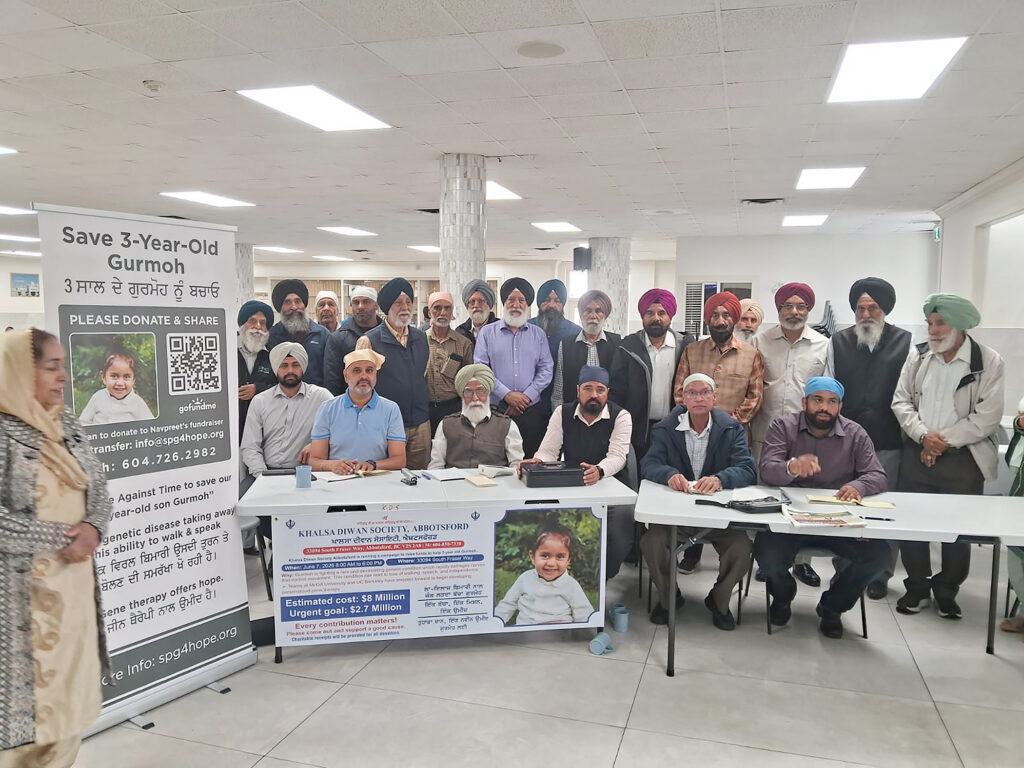
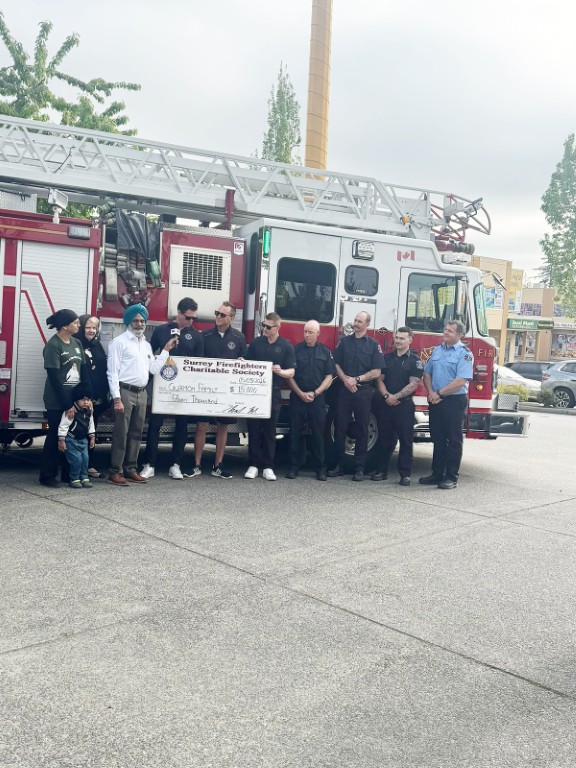
On April 9, 2026, the Gill family launched a GoFundMe campaign. Within days, donations poured in from across Canada and around the world. Today, approximately $2.5 million has been raised, a remarkable achievement made possible through the generosity of more than 40,000 donors. Community support has become the heart of Gurmoh’s journey. From fundraising events at Surrey Nagar Kirtan to community gatherings in Squamish, Victoria, Kelowna, Calgary and Edmonton, thousands have stepped forward to help. A community Radiothon alone raised hundreds of thousands of dollars in a single day, demonstrating how deeply Gurmoh’s story has resonated.
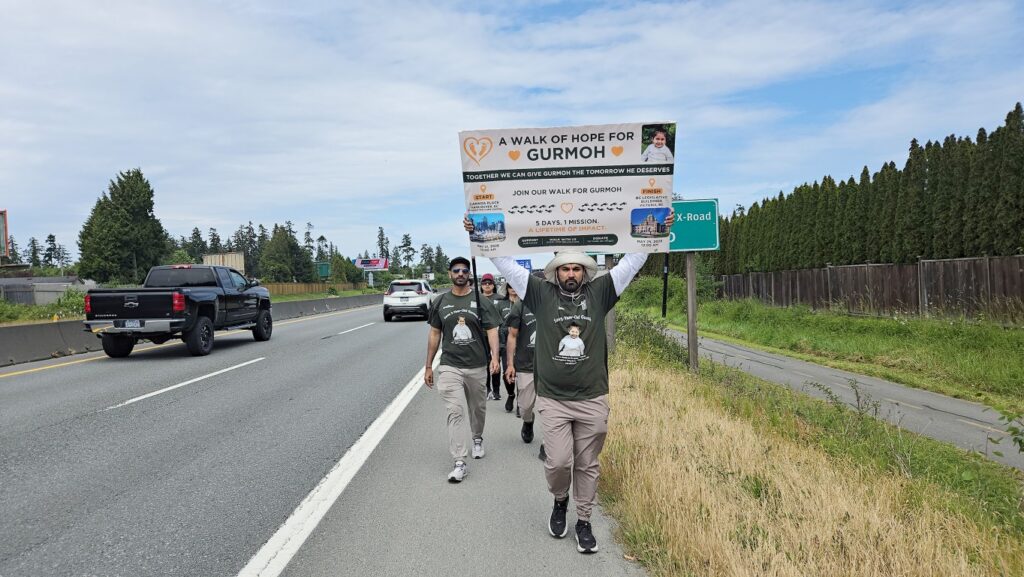
The family’s determination has extended far beyond fundraising. Accompanied by relatives, friends and well – wishers, Gurmoh’s parents completed a 120-kilometre walk from Canada Place in Vancouver to the British Columbia Legislature in Victoria. They remained outside the Legislature for two days, meeting with the provincial Minister of Health to seek government support for the groundbreaking therapy.
They also met the Premier of British Columbia during Surrey Nagar Kirtan, continuing their appeal for provincial assistance. While these meetings have helped raise awareness, the family is still waiting for meaningful government support.
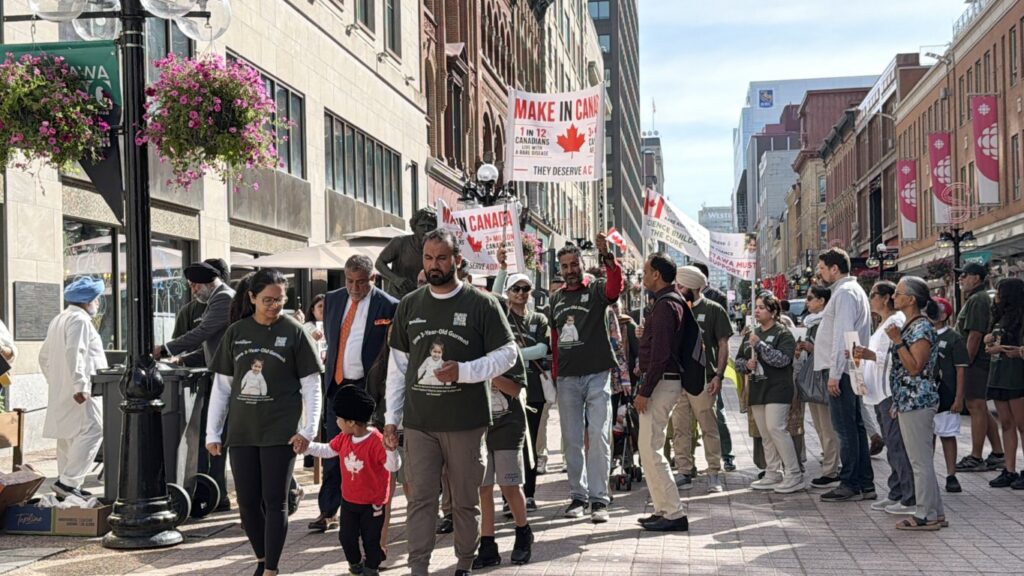
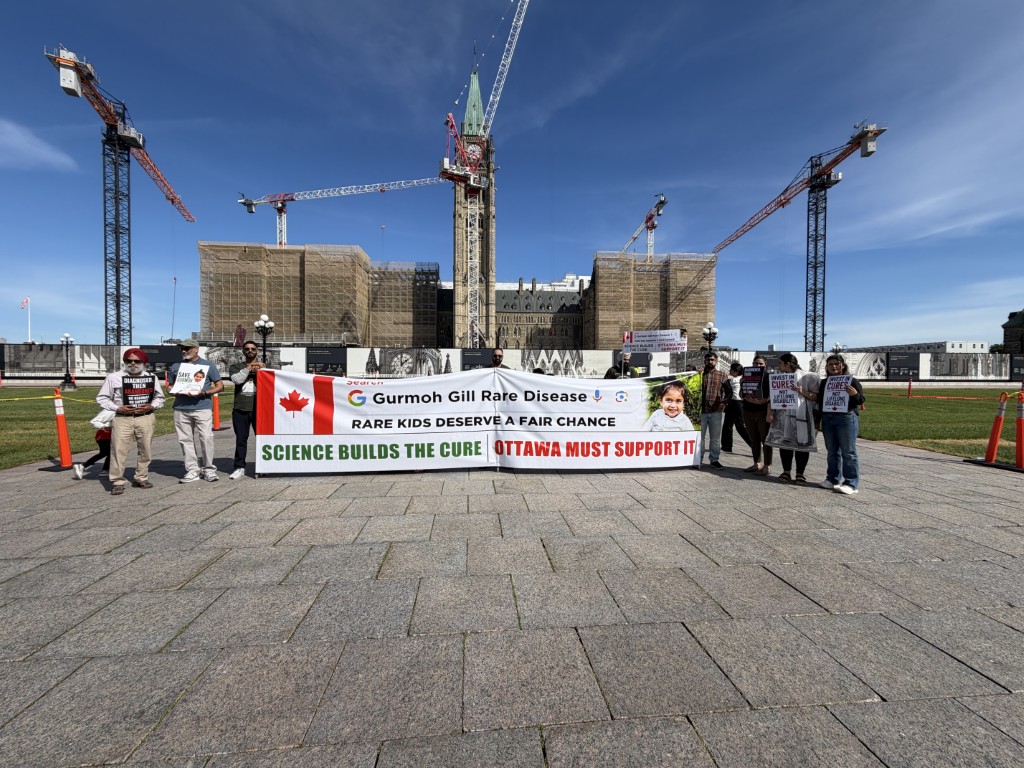
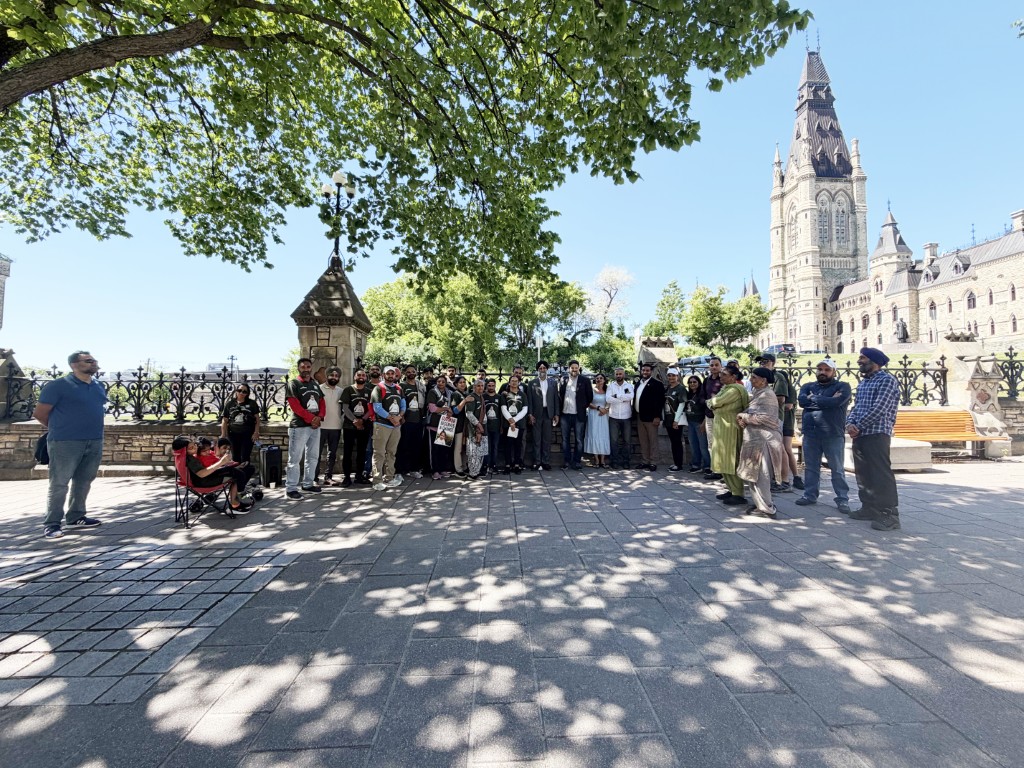
Their advocacy has also reached the nation’s capital. The Gills travelled to Ottawa with family, supporters and Dr. Ziv Gan-Or, accompanied by four Members of Parliament, to meet with the federal Minister of Health. Their mission extended beyond funding. They urged Health Canada to establish a faster regulatory pathway for individualized gene-editing therapies, similar to the accelerated processes available through the U.S. FDA. Such a pathway could help Canadian researchers bring life-saving treatments to patients with ultra-rare diseases more quickly while maintaining rigorous safety standards.
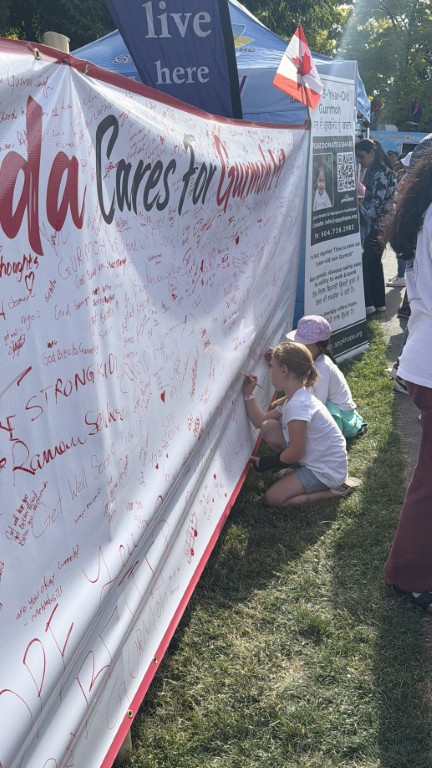
Those discussions have already begun. Health Canada has initiated conversations with McGill University regarding the project, an encouraging first step toward creating a more responsive framework for personalized therapies.
Meanwhile, research continues. Scientists have successfully grown Gurmoh’s own neurons and nerve cells, allowing researchers to test the personalized medicine directly on his cells before moving to animal studies. Once the gene-editing tool is finalized at Berkeley, it will be transferred to McGill University for further development and testing. If funding and regulatory approvals continue to move forward, Gurmoh could receive the therapy as early as next year.
The Gill family and media outlets covering their story have received hundreds of calls from parents of children living with rare diseases. Many shared that when doctors told them there was no treatment, they believed there was nothing left to do. Watching Gurmoh’s family refuse to accept that answer has given them renewed optimism.
Researchers agree that this effort extends far beyond one child. Scientists from McGill University, the University of California, Berkeley, Drexel University and leading children’s hospitals believe Gurmoh’s case has the potential to establish an innovative Canadian pathway for developing individualized therapies for rare genetic diseases. With more than 300 million people worldwide living with rare diseases—most of them genetic—the lessons learned through this project could benefit countless families in the future.
For the Gill family, every fundraiser, every meeting and every kilometre walked has been about more than saving their son. Gurmoh’s story is ultimately one of courage, community and compassion. It reminds us that while a rare disease may affect one child, the response can unite thousands. In choosing hope over despair, one little boy has inspired a movement that could help shape the future of rare disease treatment in Canada—and perhaps around the world.