

By Pooja Valeja
On a day-to-day basis, we tend to look after our health by going for a walk or a jog, checking our BMI, taking condition-specific medication for diabetes, blood pressure, arthritis, or thyroid issues, and getting enough sleep. While most of us focus on visible health, there are times when we do not realize that consuming certain foods or following certain habits for a prolonged period of time could lead to health issues, and mind you, serious ones. One of these health conditions could be fatty liver.
When people hear the term “fatty liver,” they often associate it with excessive alcohol use. But that assumption is increasingly outdated. Fat can accumulate in the liver even in people who drink little or no alcohol, and the condition can go unnoticed for years.
Fatty liver disease is often called a silent condition because many people have few or no obvious symptoms in its early stages. Yet if it progresses, it can cause inflammation, scarring, and potentially serious liver damage.
What Is Fatty Liver?
Not many know that the liver is one of the most essential organs in our body. It performs hundreds of functions, including processing nutrients, filtering substances from the blood, and producing proteins and bile. A small amount of fat in the liver is normal. The problem arises when excessive fat accumulates.
Fatty liver disease is broadly classified into two categories:
• Alcohol-associated fatty liver disease is linked to excessive alcohol consumption.
• Metabolic dysfunction-associated steatotic liver disease (MASLD) occurs in people whose liver fat accumulation is linked to metabolic risk factors and is not primarily caused by excessive alcohol use.
In simple terms, one is caused by alcohol, and the other is caused by fatty foods, an unhealthy lifestyle, and stress that the body cannot easily handle for a long period. This creates a hurdle in its functioning. When this happens for a prolonged period of time, it becomes serious and needs attention. The newer terminology reflects the important role that metabolic health plays in the condition.

Non-Drinkers Can Develop Fatty Liver
Alcohol is only one potential contributor to fat accumulation in the liver. Metabolic factors can also play a major role.
Common risk factors include:
• Overweight or obesity, particularly excess abdominal fat
• Insulin resistance or type 2 diabetes
• High cholesterol
• High blood pressure
• A sedentary lifestyle
• A diet high in refined carbohydrates, added sugars, and highly processed foods; certain medications or medical conditions
Fatty Liver Is Called a “Silent” Condition
A silent condition is one in which the symptoms are not noticeable. With fatty liver, it’s pretty much the same. When fatty liver begins to develop, the symptoms are usually quite insignificant. However, if unnoticed or not addressed in the early stages, they tend to become more severe over time.
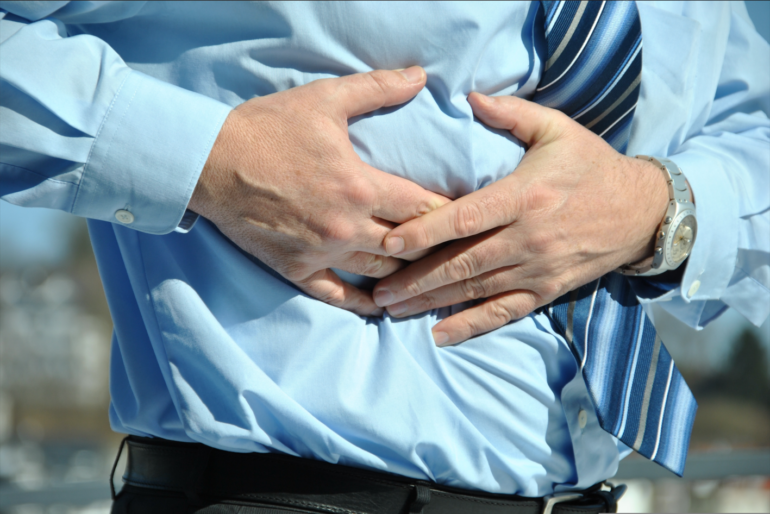
When symptoms do occur, they can be vague and easy to overlook. Some people may experience fatigue, general discomfort, or occasional pain or pressure in the upper-right abdomen. These symptoms aren’t specific to fatty liver, so the condition can go undetected.
Another reason it can remain hidden is that routine liver blood tests may appear normal even when liver disease is present. Healthcare professionals may therefore use a combination of medical history, blood tests, imaging, and sometimes non-invasive tests for liver scarring to assess liver health. That’s why fatty liver shouldn’t be ignored simply because someone feels well.
Lifestyle Changes:
‘Fatty liver,’ as the name suggests, is a liver with more fat. With lifestyle changes, one can improve the condition to a great extent unless it has reached a stage where medication and health modifications are required, with medical care from experts.
Some tips to reduce or avoid fatty liver to a great extent involve making lifestyle changes. This means changes that do not take place over a week or a month, but rather modifications to your diet that have been made over a very long period or for a lifetime.
• Lose weight gradually if you’re overweight: Even a small amount of weight loss makes a difference for fatty liver. Every little bit adds up to a big change
• Exercise regularly: You do not have to sweat it out in the gym for hours. Walking, jogging, practicing yoga, or swimming can be great alternatives
• Change your diet: Emphasize vegetables, fruits, beans, whole grains, fish, nuts, and olive oil
• Cut down on sugar and refined carbohydrates: especially soda, sweet tea, fruit juice, sweets, white bread, and large portions of refined rice or pasta
• Avoid alcohol: If you have significant liver disease, ask your clinician whether you should avoid it completely
• Control diabetes, cholesterol, blood pressure, and triglycerides if applicable
These changes can significantly improve your overall health and support a healthier lifestyle. So, what are you waiting for? Start now with a small step.