

By Pooja Valeja
The fashion world is evolving rapidly. With digitalization captivating every demographic, the fashion and retail industry is embracing digital transformation at an unprecedented pace. By 2026, the journey from runway innovation to online retail will be faster, more dynamic, and more consumer-driven. It’s now easier to get runway looks from home by trying on apparel virtually with Augmented Reality and Artificial Intelligence.
Besides, social media platforms, AI styling tools, sustainable fashion consciousness, and cultural movements now influence how trends spread and settle into wardrobes around the globe. Here’s a look at how a runway trend reaches your wardrobe without you even stepping out:
1. Personalized Style & AI Shopping Tools
Innovation has led to greater reliance on artificial intelligence to make our shopping experience simpler and more pleasurable. Artificial intelligence isn’t just powering recommendations; it’s also becoming a creative partner in fashion.
- AI-powered style assistants that curate outfits based on your mood, climate, past purchases, and even upcoming calendar events.
- Dynamic product suggestions that adapt in real time as you browse.
- Highly powered AI tools consider all your filters, from budget-friendly options to color schemes, and from sizing to delivery location proximity.
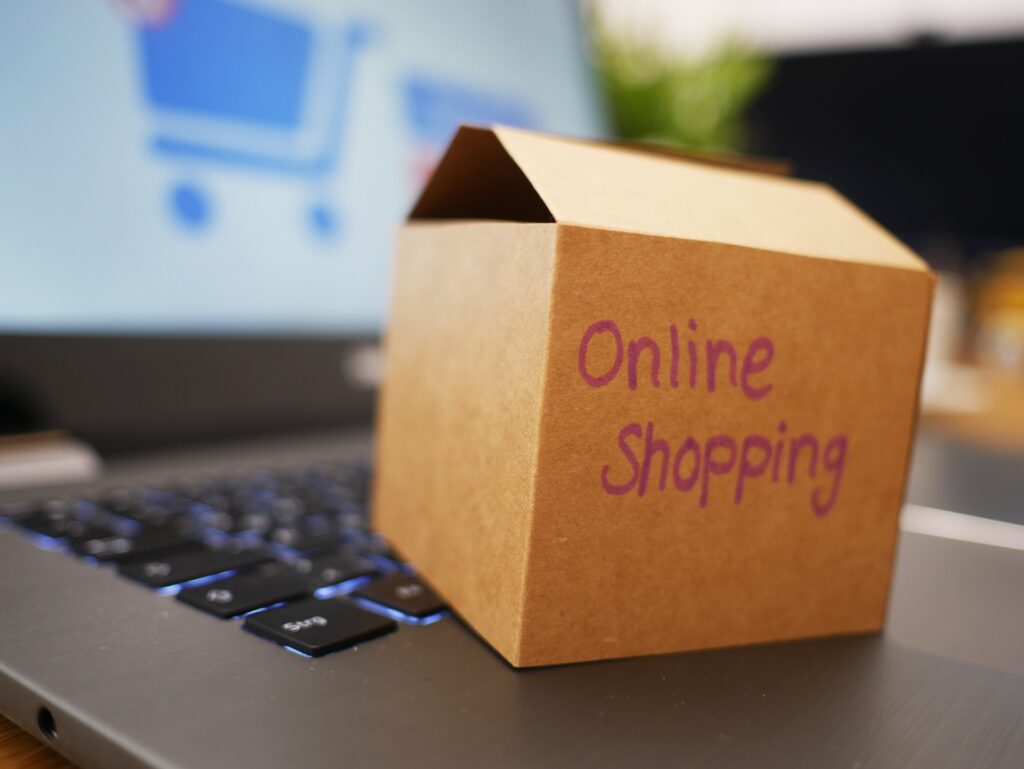
The impact of AI has led to a shift in consumer preferences from in-store shopping to online shopping at any time, at their convenience.
2. Augmented Shopping Experiences
An augmented shopping experience uses AR tools to make your experience feel more real and physical, like when you enter a store or boutique, whereas AI focuses on analyzing your tastes and needs to recommend products.
- Virtual try-ons that go beyond just fit—allowing you to see fabrics move, shimmer, or drape in real time with realistic physics.
- AR dressing rooms that integrate with live video calls so friends can virtually shop together.
- Interactive 3D product displays that let shoppers explore every angle and detail before purchasing.
The impact on the retail industry is massive, especially for standalone stores and physical store experiences. One can have a seamless experience with deliveries, returns, exchanges, and product knowledge.
3. Runway to Retail
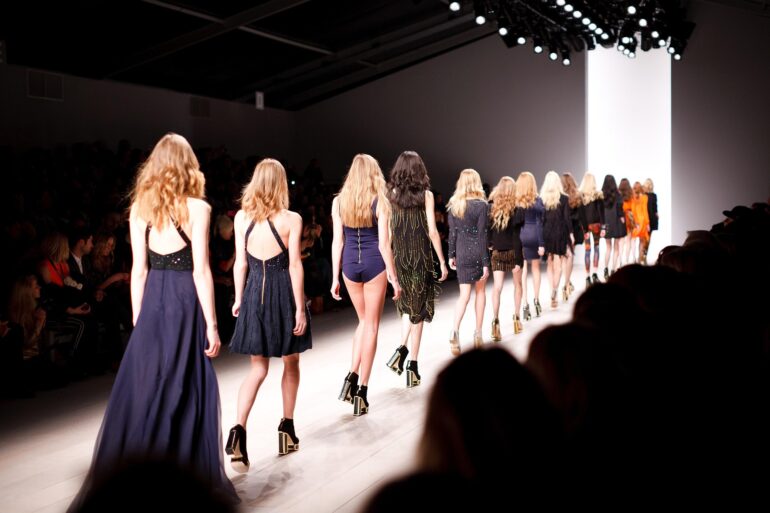
Traditionally, runway looks were primarily seen in magazines and digital publications, but access was rare and periodic. Today, fashion shows are online, and one can view apparel instantly and use AI to find the exact brand or similar pieces based on preference and budget.
Even designers are becoming more approachable and showcasing their collections on social media to gain greater visibility. In fact, designers opt for specific color palettes to create various looks, which unofficially feel like their own copyrighted work.
You may notice a brand with a green-and-red color palette and a bee symbol. Another brand might be recognized for brown checkered scarves, coats, and bags. Brands use signature colors and prints to establish a distinct identity and high recall, often making the logo secondary.
The impact of runway-to-retail through digitalization has been very visible, especially when you see something at Paris Fashion Week trending in Canadian stores, or a US product going global despite being showcased for only a few hours or days on the runway. The world has become a single global market, and procurement is available through multiple channels.
4. Sustainability and digitalization
Sustainability isn’t a buzzword; it’s now a key decision factor for online shoppers. Although there is a selected set of consumers at this point, this set is increasing. Products are doing the filling for such a conscious audience:
- Digital product stamps that show a garment’s lifecycle—from material sourcing to carbon footprint.
- Brands highlighting ethical production with verified transparency badges.
Shoppers are more informed and intentional, making sustainability a major online differentiator.
5. Tech Innovation in Craftsmanship
As digital trends accelerate, craftsmanship finds a new platform.
- Handmade and artisanal pieces showcased through online brand stories, livestreams, and creator highlights.
- Tech-enhanced tradition, like laser embroidery or 3D-printed embellishments on handcrafted garments, is a new trend this year.
- Collaborative collections between digital artists and traditional makers. The idea is to have a collaborative bond with the artisans to showcase their work globally.
Authenticity and story become as valuable as style and trendiness. True craftsmanship and character add value to the product, such as the man-hours used in its creation, sourcing from the core, and the artisans’ origins; these are amplified to create visibility and trust.
6. Social E-Commerce:
Social Media platforms are more than inspiration—they are the store. With increasing screen time, content is king. Brands, designers, and artisans create innovative designs, styles, and patterns for every palate, showcased in stories, posts, and threads that build conversations. These platforms also offer a great shopping experience, such as user-generated lookbooks that fuel community-based recommendations.
To conclude, 2026 is the year when fashion becomes truly interactive. From AI stylists to AR fitting rooms, online fashion is evolving into a seamless mix of technology, creativity, and personal expression. The future of fashion isn’t just observed, it’s lived.