

BY POOJA VALEJA,
Artificial Intelligence has been advancing at a galloping rate. Companies have been among the most intriguing frontiers in the evolution of AI companions, digital entities designed to assist and support us in our everyday lives.
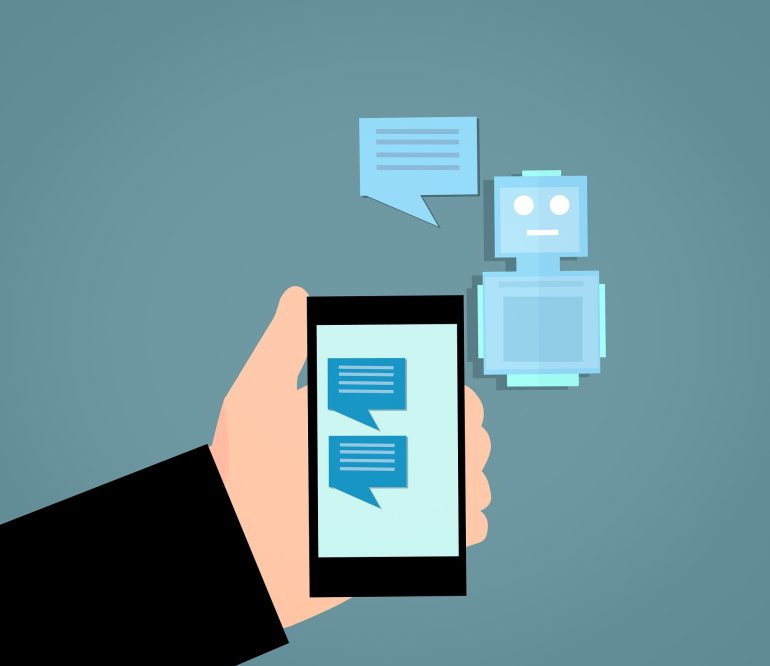
The major areas where AI companions are making significant strides are conversational chatbots and AI-powered fitness devices. To comprehend this, it is crucial to understand what Chatbots and AI-powered devices are. Chatbots are simple tools that act as assistants and companions. From setting reminders to scheduling meetings, they could make life simple and be your digital secretaries. ChatGPT, Siri, and Alexa are your best examples. They could be your buddies, reading out stories and giving you news updates. Consider checking the weather forecast before planning your vacation or even stepping out. These AI-powered tools could manage life beautifully, reducing manpower, adding cost-effectiveness, and working around timelines. Their USP is accuracy and speed.
These days, we all live in an era where we have a cyclic lifestyle with barely any time to spend with family and friends. It’s either some weekends or when vacations are planned. In such times, these digitalized companions could serve to help with having conversations and dealing with anxiety. Their daily affirmations could uplift their mood and motivate them.
Personalized Training and Data-Driven Coaches: Nowadays, each of us is becoming increasingly health-conscious, whether due to personal health concerns or informed by factual information. Knowledge and information are readily available through various social media platforms and the internet, which creates awareness. Accessibility has created a beautiful network of information that is easy and quick. On the health and wellness front, AI-powered fitness devices are transforming the way people approach exercise and physical well-being. Wearables like Fitbit and Apple Watches use sensors and machine learning to deliver insights about sleep, heart rate, activity levels, and recovery. These devices serve as your personalized training assistants, tracking your progress and helping you achieve your goals and targets based on your health statistics. They could be your yoga instructors and also your Zumba coaches. Provide you with feedback, remind you to drink water, and also help you analyze your posture technique.

Anxiety Stabilizers and Digital Companions: The future of AI and human connectivity is likely to be unique and deeply intertwined. Even today, it is practically impossible for someone to go without a simple cell phone for a day or two, so imagine the future when AI completely encapsulates human life. It’s remarkable to see how we have become so dependent on digital devices, or, more specifically, scientific innovations, yet believe it or not, they have an immense positive impact on human life, not overshadowing the inevitable negative consequences. Motivational affirmations and soothing music could be of great help on a bad day. At any time of day or late at night, they are always available to be great listeners and advisers.
Sleep Analyzers: On the one hand, these devices help optimize sleep and its overall analysis. On the other hand, there are human tendencies to overutilize technology, which can also contribute to the development of insomnia. AI devices and fitness bands can provide a detailed analysis of your sleep, from deep and restful sleep to no sleep at all. Science has proven that when we are in deep sleep, our body works to heal and work proficiently. However, if one constantly engages with these devices, they may also lose a significant amount of rest. There is a fine line between efficiency and loss that we need to mark for ourselves.
As AI companions grow more capable and present in our lives, they also raise important ethical and psychological questions.

Can or should AI replace human interaction in specific contexts? How can we ensure privacy and security, particularly when handling sensitive health data or personal conversations?
We have observed that AI has replaced humans and has proven to be cost-effective and very prompt. This intelligence has been a boon to many sectors, including health and education. The future of AI companions lies in their ability to become deeply integrated into our lives—emotionally intelligent chatbots and adaptive fitness devices working together to enhance our mental, emotional, and physical well-being. Moreover, devices have been programmed to keep the information confidential. Under no circumstances is the data required to be shared; it is done with prior permission under a signed contract for promotional purposes or surveys. As the line between human and machine interaction continues to blur, these companions have the potential not only to assist but also to enrich the human experience in meaningful and lasting ways. The challenge and opportunity lie in designing them thoughtfully, ethically, and inclusively. It’s time to make the most of them to our advantage.