

By Veeno Dewan,
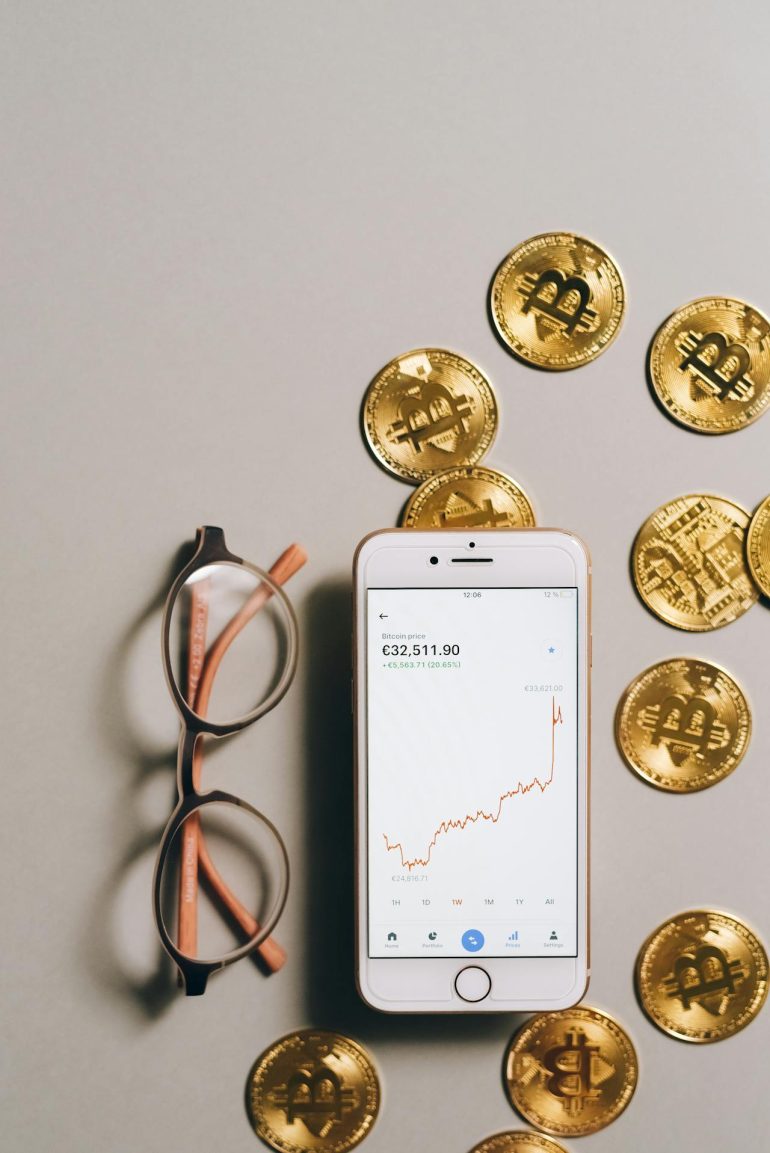
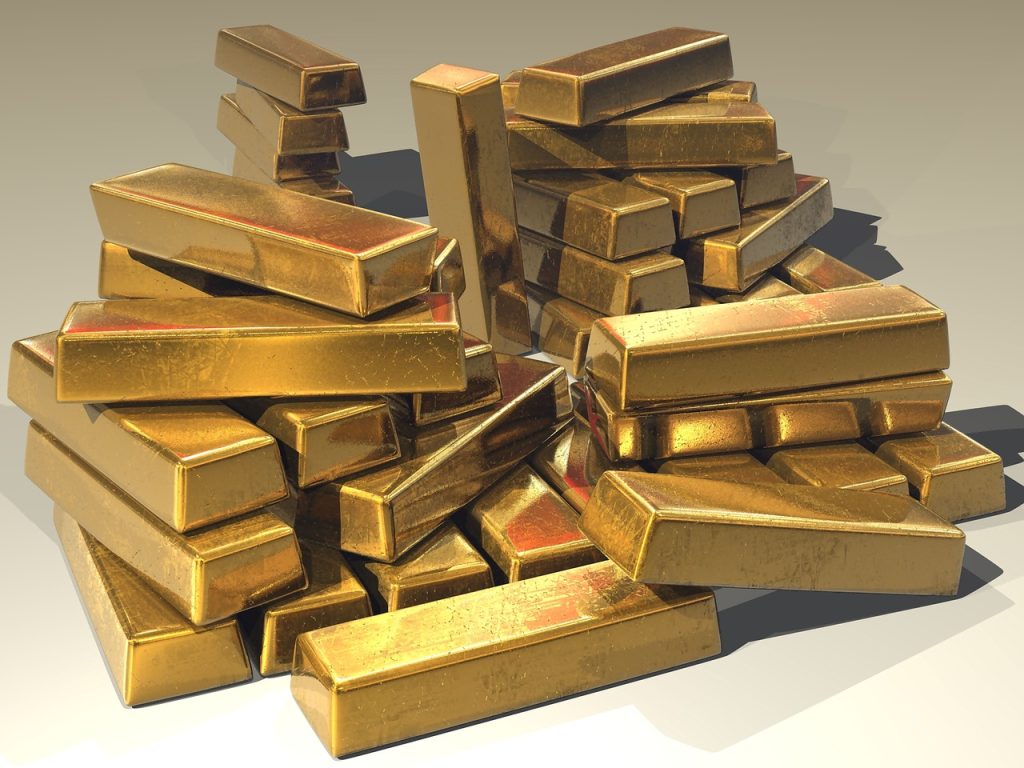
Congratulations—if you own gold, whether in the form of bars, coins, or jewelry, you are even wealthier. The price of gold has surged by over 40% recently, with a remarkable 72% increase since mid-2023, when an ounce of gold was valued at under $1,800. Historically, gold hit an all-time high of US$3,500 in April 2025. You can now buy gold bars and coins at stores like Costco and local banks, thanks to the increased demand and interest in gold over the past year.
Why is gold so valuable, and what has caused its rapid increase?
Since ancient times, gold has been regarded as the most reliable means of safeguarding wealth during periods of inflation or significant economic or political uncertainty. Countries hold gold through central banks as part of their national reserves and collective wealth.

Gold differs from paper currency because no single country, organization, or government policy controls its supply. It can’t be overproduced due to its scarcity, and extracting it is both complex and costly, making it very rare and difficult to find. Gold is also an integral part of cultures and traditions, especially in India, where most gold is privately owned.
The beauty of gold, aside from its shine and emotional appeal, is that, unlike real estate, bonds, stocks, or other investments that produce profits, dividends, or income, gold does not need these returns. Additionally, unlike paper money, which loses value over time due to inflation, gold maintains its worth. Gold is a proven and safe asset for preserving wealth. It is also highly liquid, meaning it can be easily turned into cash. It appears as gold bars, coins, and jewelry, and it is always in demand, especially during uncertain times.
Some of the most common ways to invest in gold include gold bars or bullion, gold coins, gold jewelry, and gold ETFs (Exchange-Traded Funds) that own gold assets in a stock portfolio.
The Importance of Gold in India
Gold has undoubtedly been and remains of significant importance in Indian culture. India is the world’s largest gold consumer and gold jewelry consumer. Most Indian gold is used for jewelry and held in private hands. Gold is very symbolic and is deemed “auspicious,” meaning it is seen as a promising symbol of good luck and prosperity. Additionally, gold holds a sentimental value and has always been a popular gift for special events such as weddings, birthdays, anniversaries, and cultural celebrations. In ancient Indian mythology, gold is believed to be the symbol of the Hindu Goddess Lakshmi, the goddess of wealth, fortune, power, beauty, and prosperity. Not only is gold considered the ultimate store of wealth, but it is also a popular investment option in India, with investment demand for gold ETFs and other financial instruments growing. In recent years, there has also been an increase in gold loans as consumers use their gold holdings as collateral for loans.
Why has gold risen so sharply?
The recent surge in gold prices since 2023 reflects shifting demand for the yellow metal as a financial asset amid a turbulent global landscape. In 2022, with the start of the Russia-Ukraine conflict, gold prices shot up and continue to climb as U.S. tariffs, the ongoing conflict in Gaza, and the recent war between Iran and Israel have heightened nervousness in the global political and economic systems.
It is interesting that, while other commodities are primarily driven by supply and demand, gold is often influenced by psychological factors, such as economic downturns, monetary policies, and currency valuations. Recently, as the U.S. dollar has declined in value, many countries’ central banks, including China, are purchasing and stockpiling gold reserves in record amounts as a hedge against political instability and the weakening U.S. dollar.
It’s important to remember that although gold is a borderless international asset recognized and valued worldwide (beyond national currencies and economic conditions), the precious metal is typically a dollar-denominated asset, meaning its value is expressed in U.S. dollars. Dollar-denominated assets usually have an inverse relationship with the strength of the U.S. dollar. Therefore, if the dollar’s value declines, gold’s value tends to rise, and vice versa.
Gold prices can be volatile in the short term. Historically, other assets, such as real estate, stocks, shares, and bonds, tend to yield higher returns in both short-and long-term cycles, even during turbulent economic and market conditions. However, when you invest in the precious metal, there are no dividends or interest earned on gold investments. So, outside of a few gold ETFs (Exchange Traded Funds), the only way to profit from gold is to sell it when the price increases.
Is now a good time to invest in gold?
Ultimately, there’s a degree of subjectivity in deciding whether now is a better time to invest in gold compared to other periods. Many precious metal experts agree that this is a good time to diversify your portfolio with gold. However, most financial experts do not recommend holding more than 5-10% of your total assets in physical gold or ETFs because of their short-term volatility and fluctuations. Gold is best seen as a long-term “forget it and leave it” type of investment. Most precious metal analysts forecast that the price of a gold ounce will be around the $4,000 mark in 2026. It could continue to increase at an even faster rate in the long run if global uncertainty and concerns about economic and geopolitical issues persist.
However, caution is necessary; investing in gold is not a “get rich quick” scheme and tends to be highly volatile in the short term. Consult with your financial advisor first before making any decision to invest in the most precious of precious metals.
Sources: World Gold Council, Goldcorp, JP Morgan precious metals, Goldman Sachs investments, Gold Price Canada, Kitco, Canada Gold, TD Precious Metals, Forex, Trading Economics.